DEMO SESSION
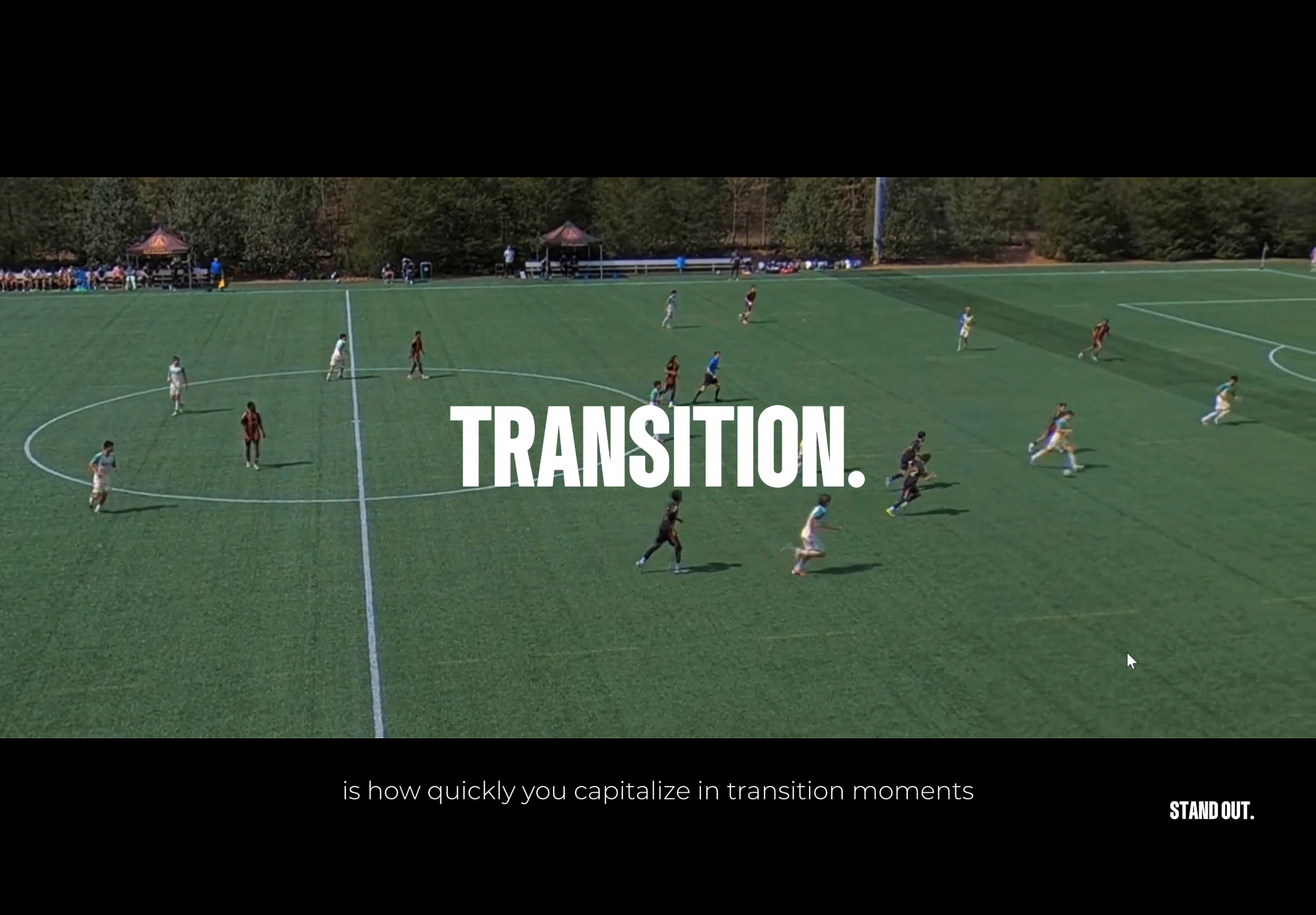
Transition is not a phase of the game.
It’s the moment where the game is decided.
Because when possession changes,
the structure is not set.
And that’s the only time you’re not playing against a team,
you’re playing against space.
WHERE THE GAME OPENS.
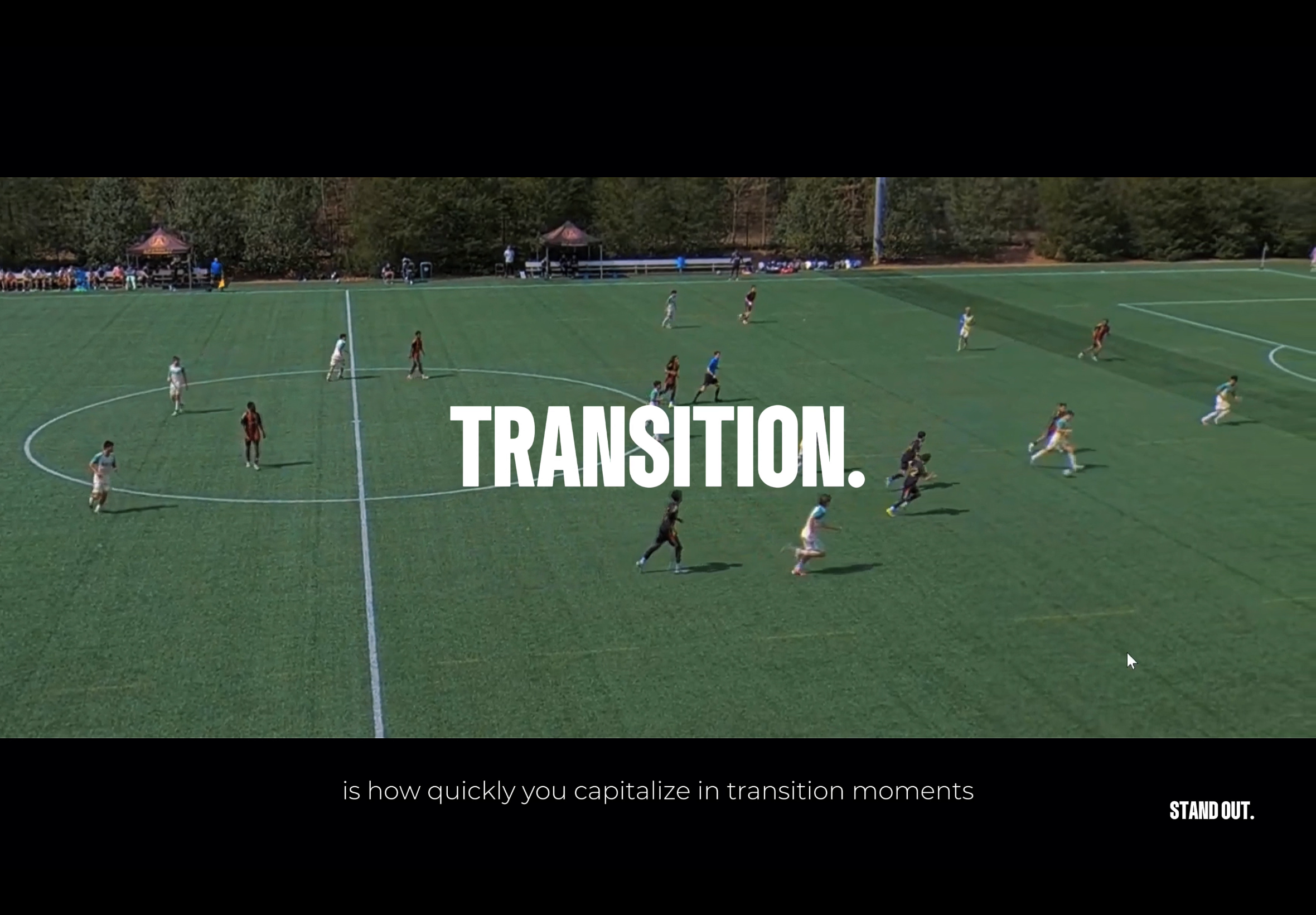
When a team attacks, they expand the pitch.
They stretch between lines.
They commit players forward.
And when they lose the ball,
that structure does not recover instantly.
It leaves gaps.
Not small ones.
Actionable ones.
THE REFERENCE.
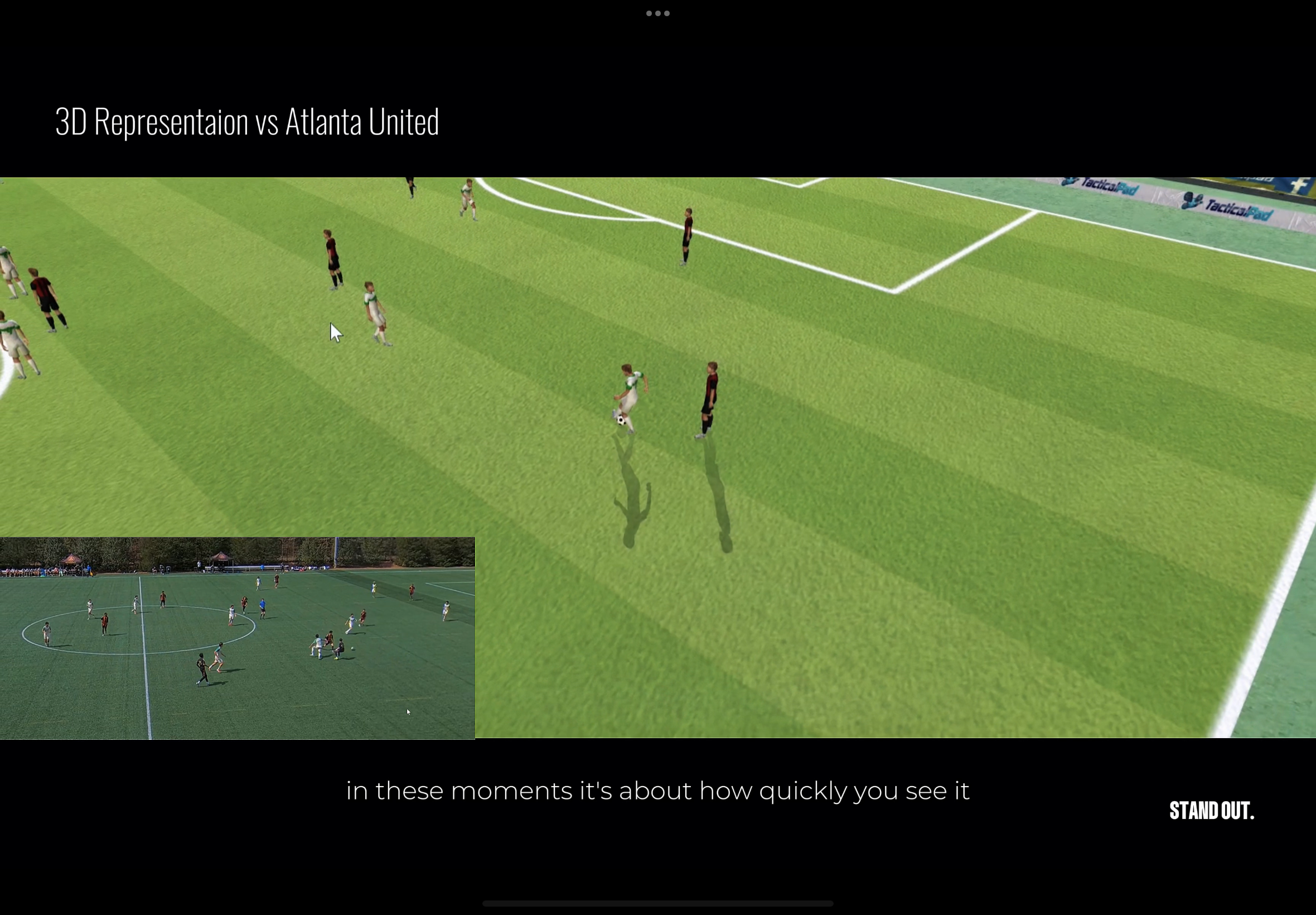
In these moments, you don’t look short.
You don’t look safe.
You don’t look to keep the ball.
You look at the furthest point forward in your frame.
Because if you see the furthest option,
you see everything before it.
That’s your reference.
WHY TIME DECIDES VALUE.
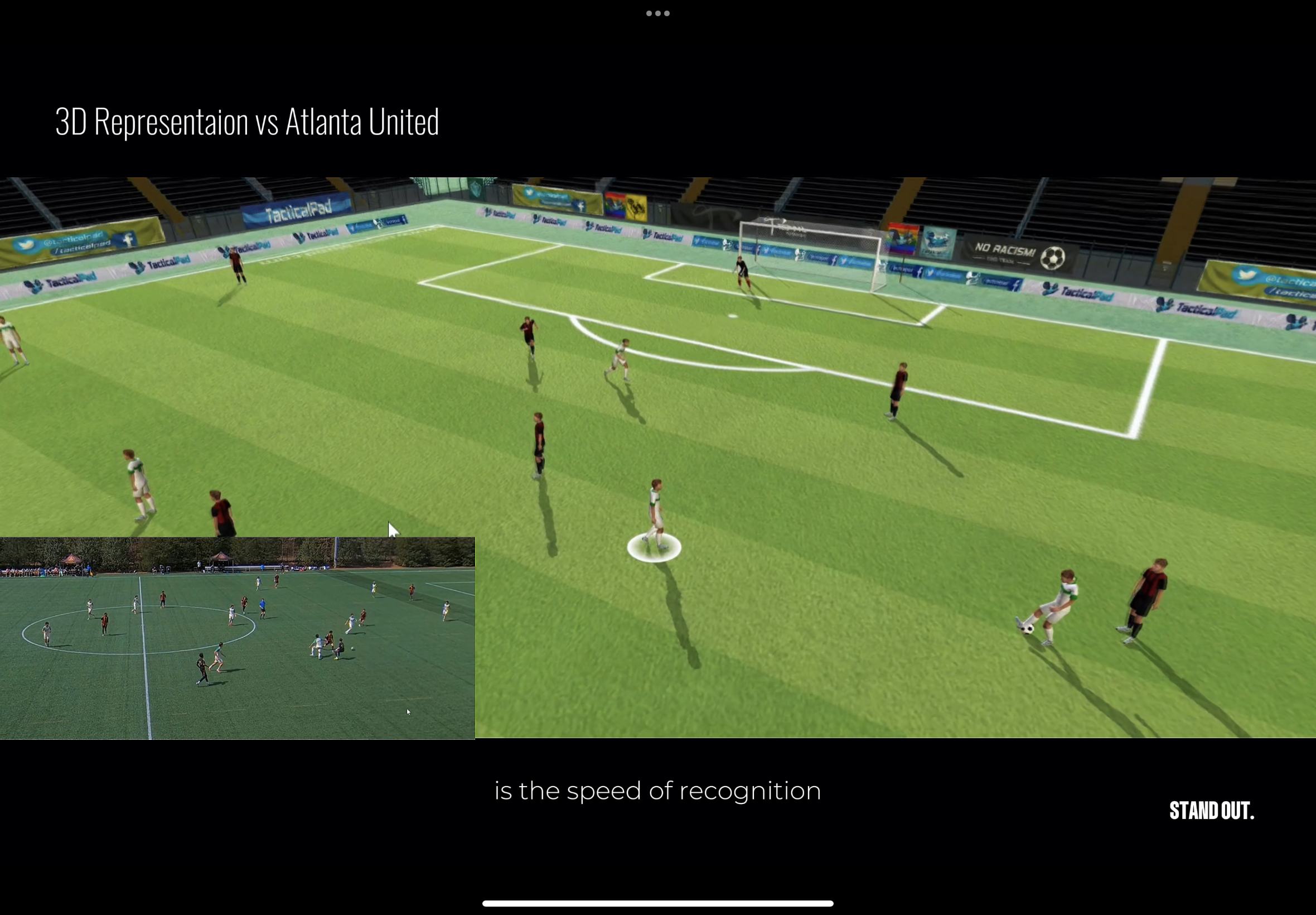
The gap exists immediately.
But it doesn’t stay.
Every touch you take,
every second you hold,
brings the structure back together.
So the question is not if the pass is there.
It’s when you play it.
THE ACTION.
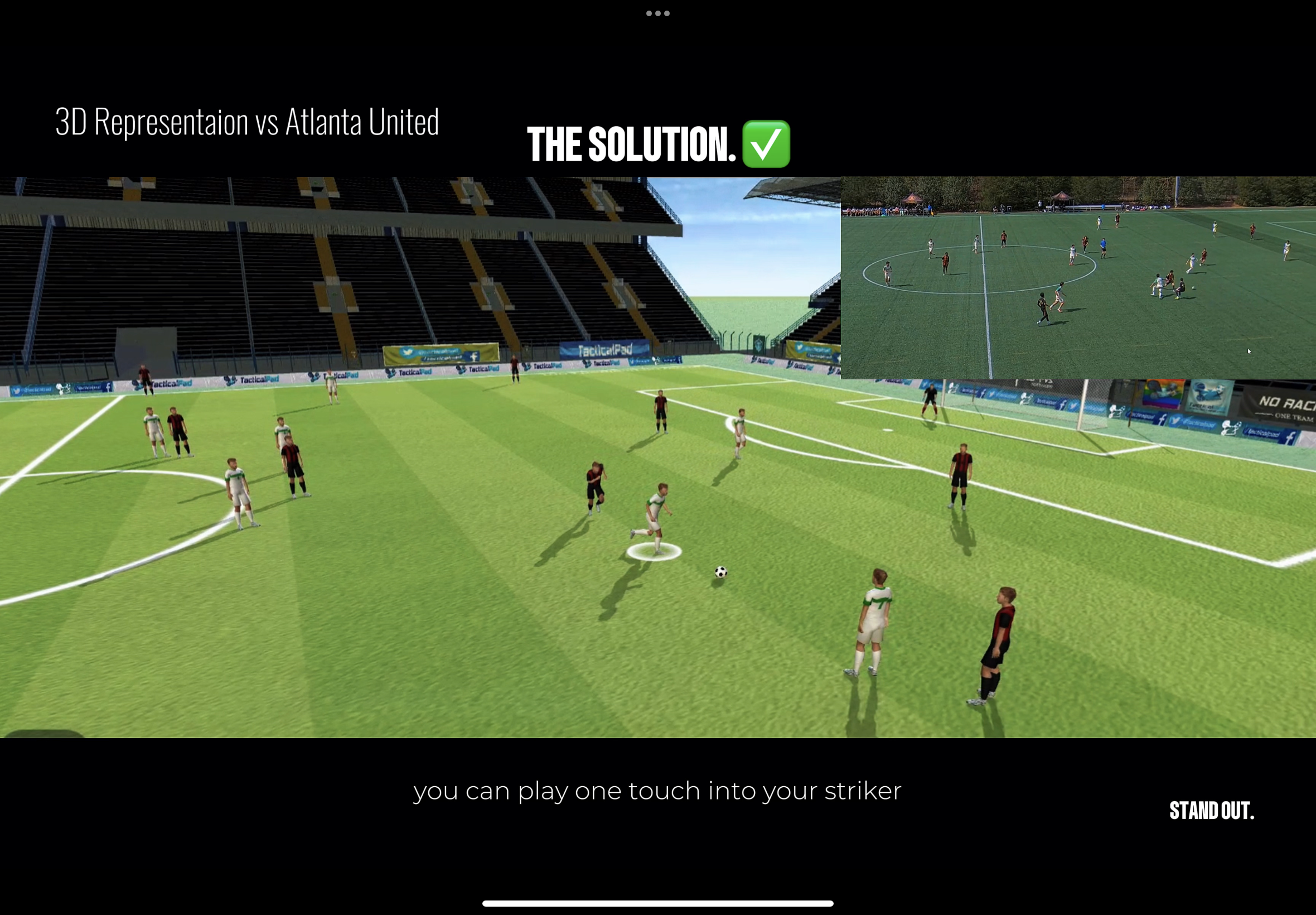
At the highest level,
this is one touch.
Sometimes two.
Never three.
Because the longer the ball stays with you,
the less dangerous the situation becomes.
Speed is not intensity.
Speed is clarity.
THE GAP RIGHT NOW.
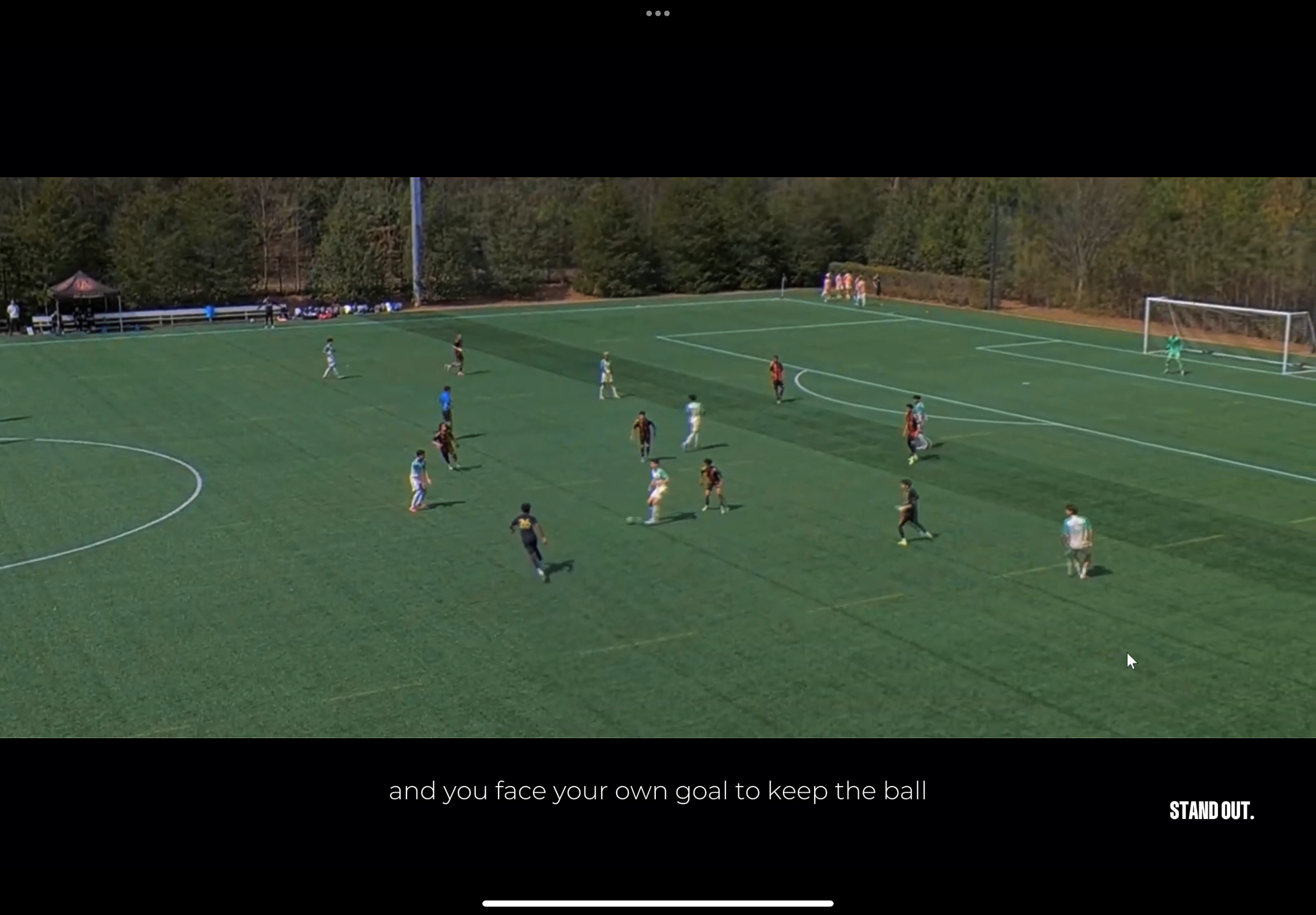
There are moments where you turn away from pressure.
Where you face your own goal.
Where you choose control over impact.
And in doing that,
you allow the game to reset.
WHAT THE GAME REWARDS.
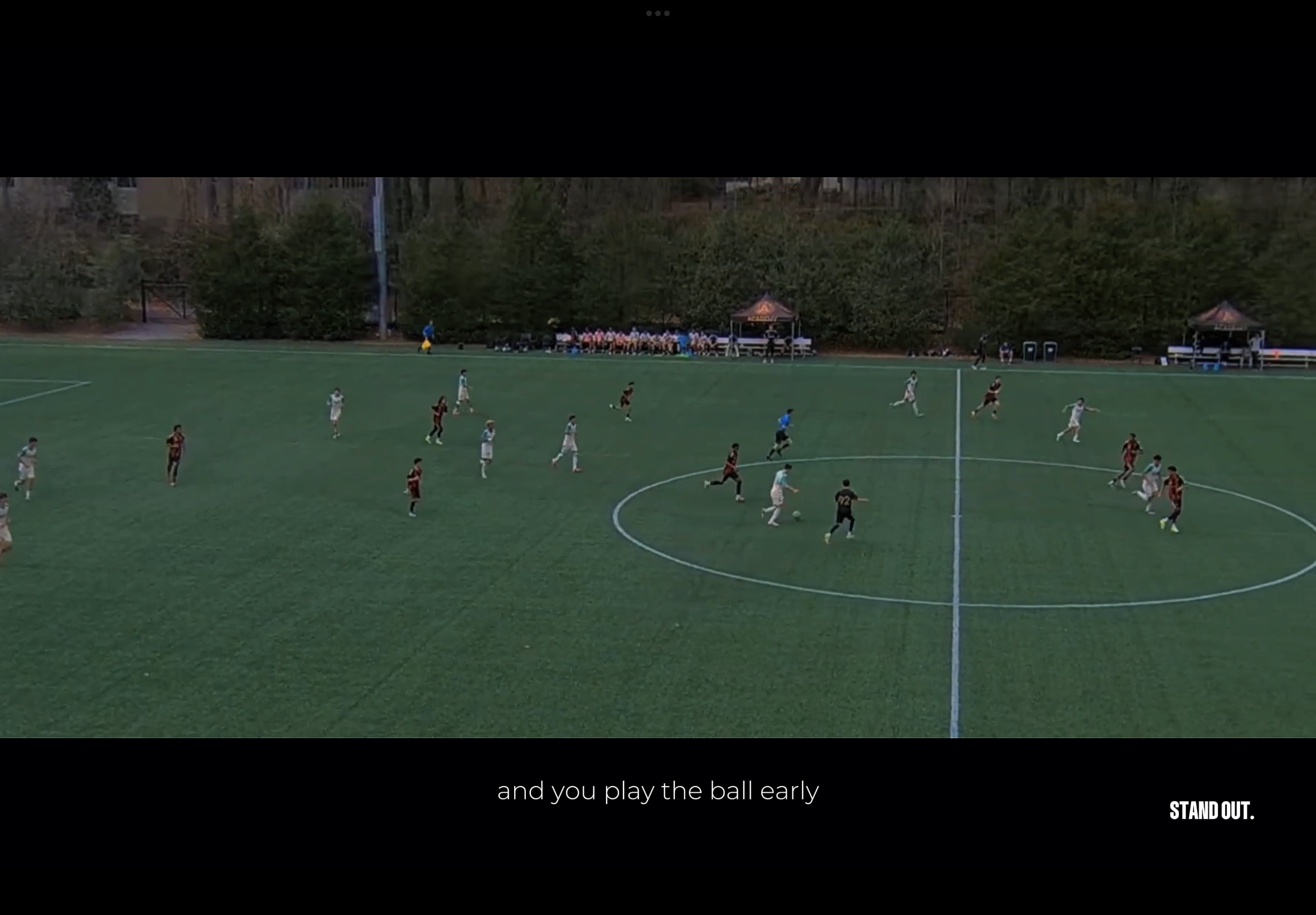
When you play forward early,
you’re not forcing the game.
You’re aligning with it.
Because the opponent is already broken.
You’re just acting before they recover.
Principle.
You don’t create the opportunity in transition.
It’s already there.
Your job is to recognize it before it disappears.
See the furthest option.
Play it early.
One or two touches.
That’s the difference between circulating the ball…
and deciding the outcome.