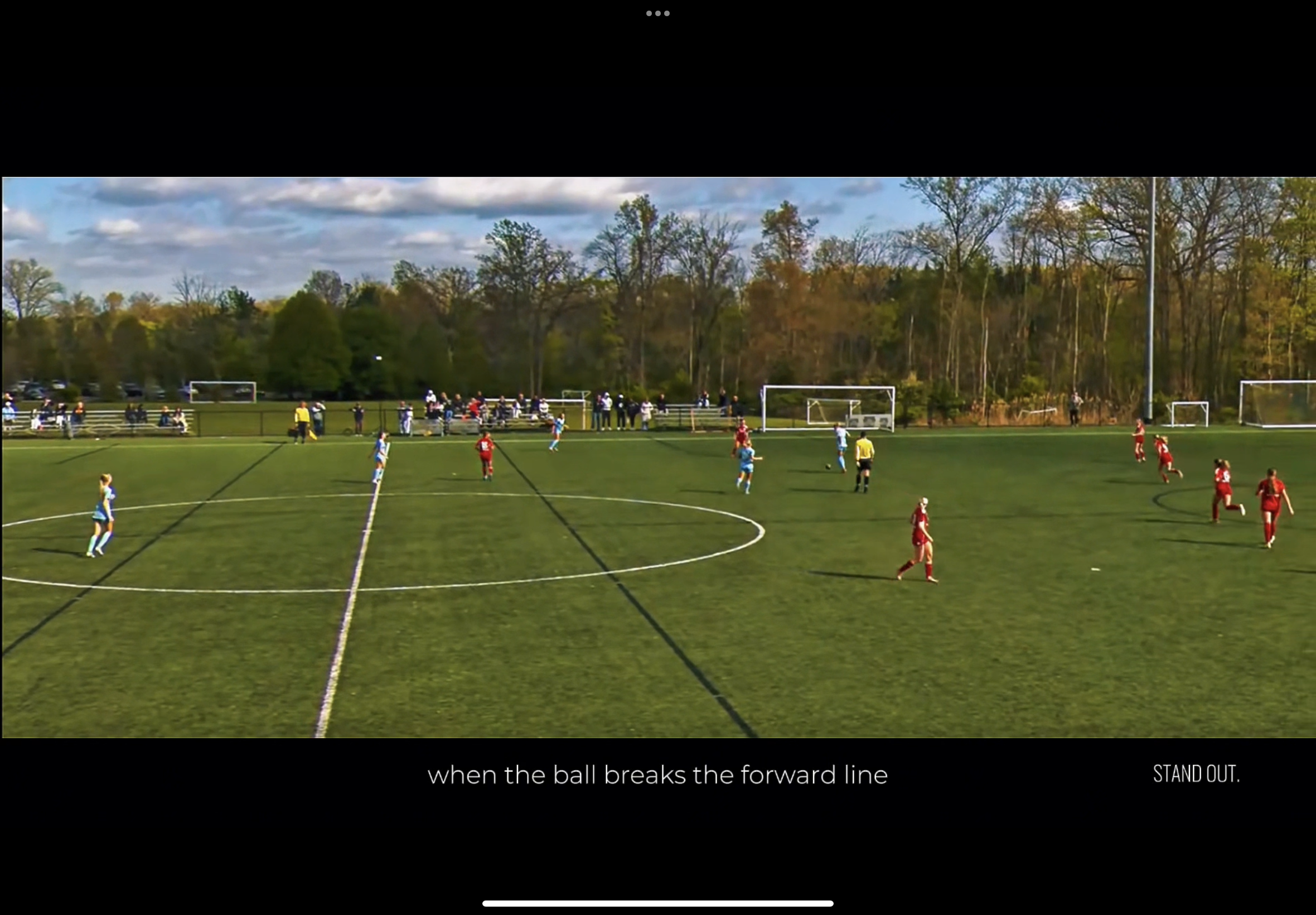
TRIGGER = AGRESSIVE.
Midfield defending is about recognizing triggers early and stepping before the play develops.
This video is about identifying those moments and stopping the next action before it starts.
SPACE EQUALS TIME.
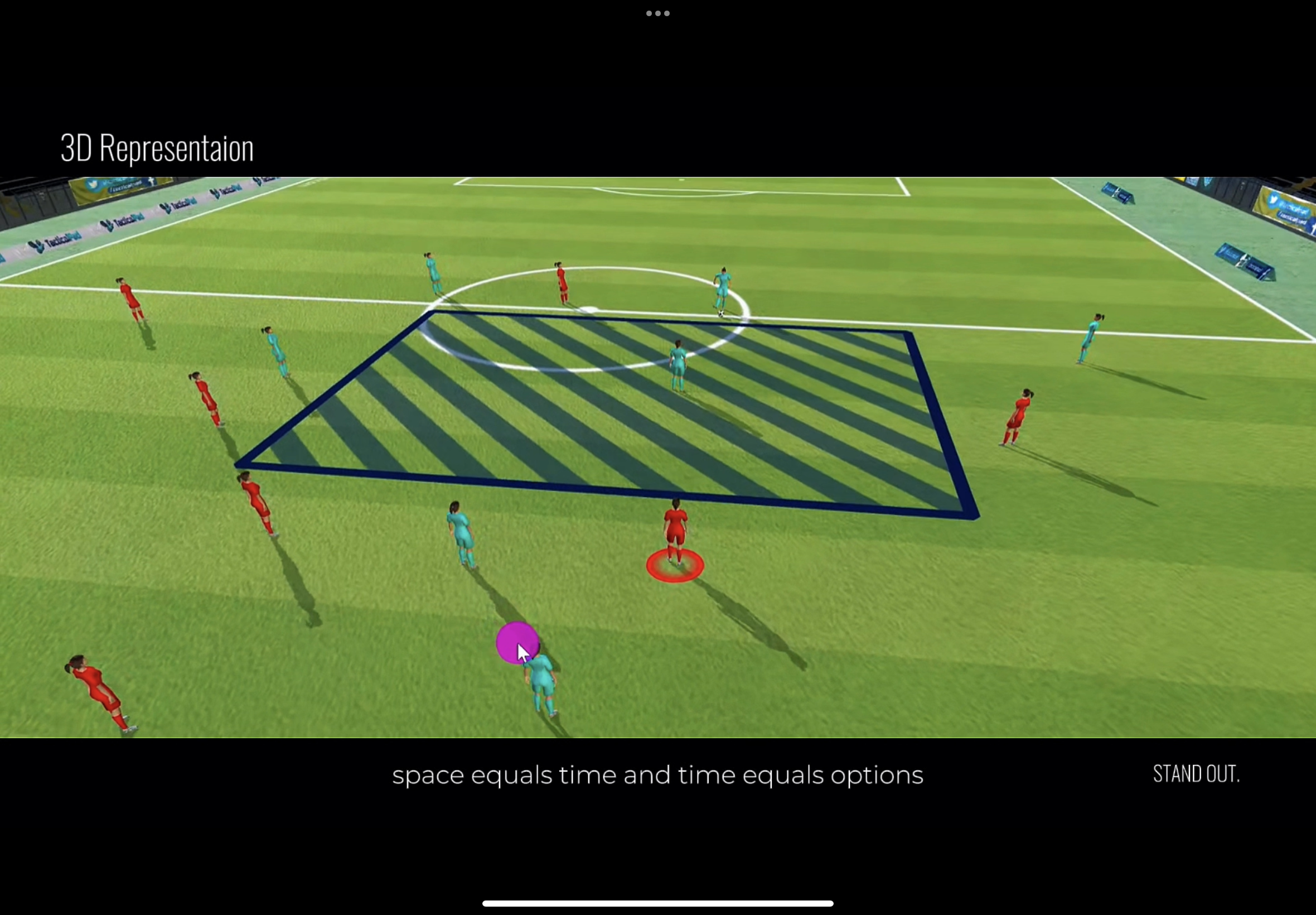
When the ball breaks the forward line and a player turns freely between the lines it becomes dangerous immediately.
Because space in midfield creates time and time creates options.
RECOGNIZE THE TRIGGER.
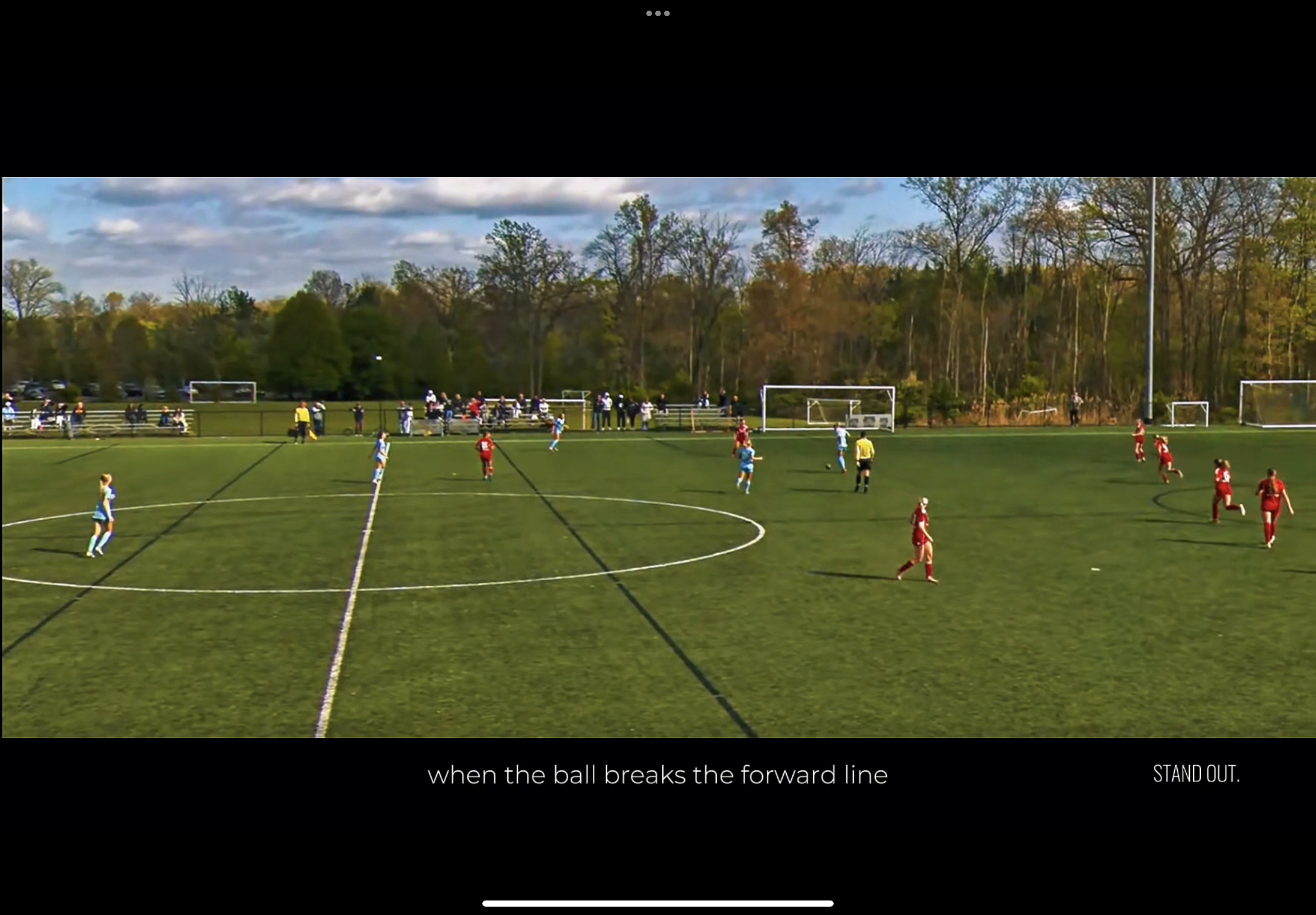
There are two clear triggers.
The ball being played and the player receiving with her back to goal.
That is your invitation to step aggressively.
STEP INSIDE THE CIRCLE.
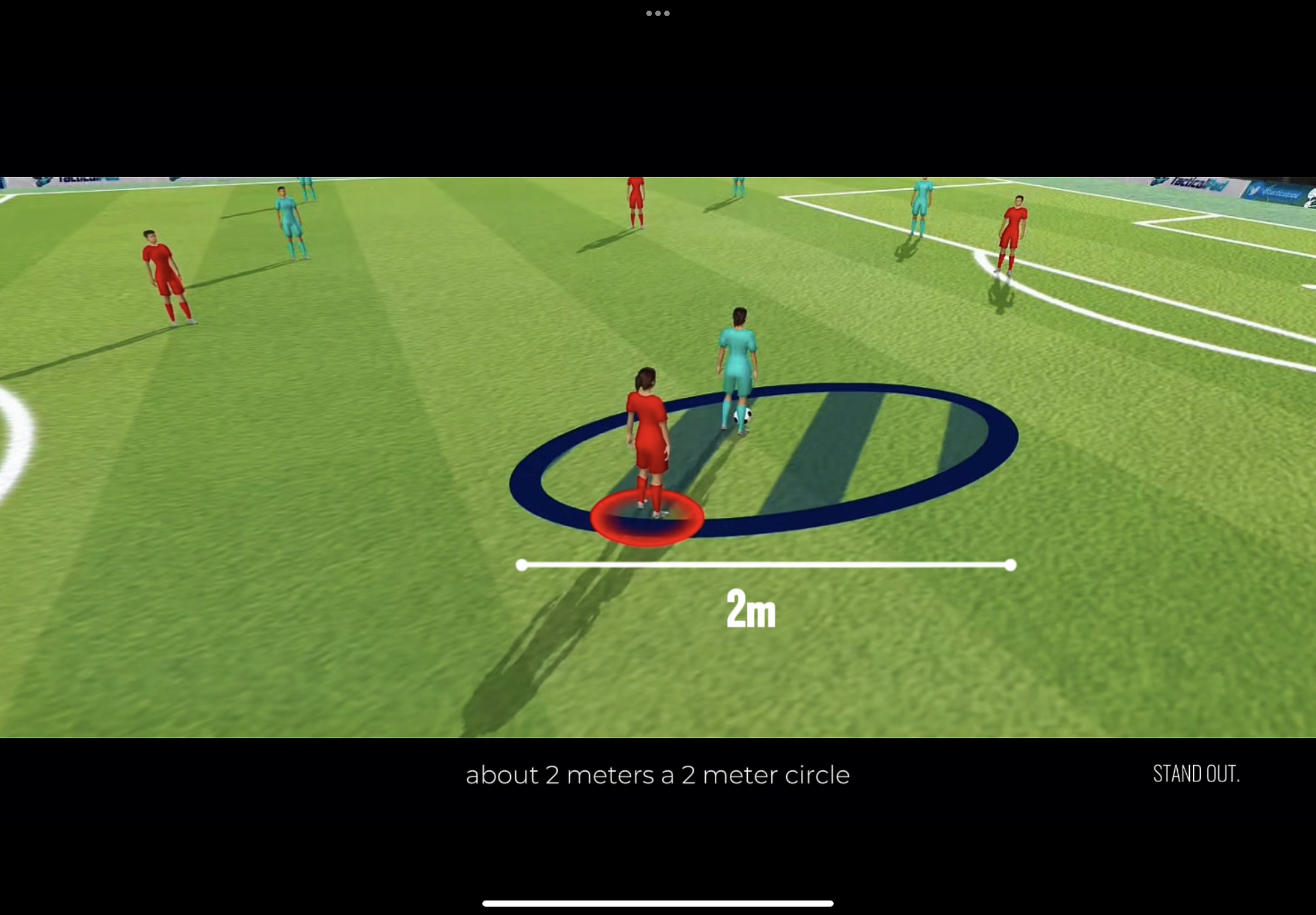
Imagine a two-meter circle around the player.
When you see the trigger your job is to enter that space before the ball arrives.
Not after.
DON’T LET HER TURN.
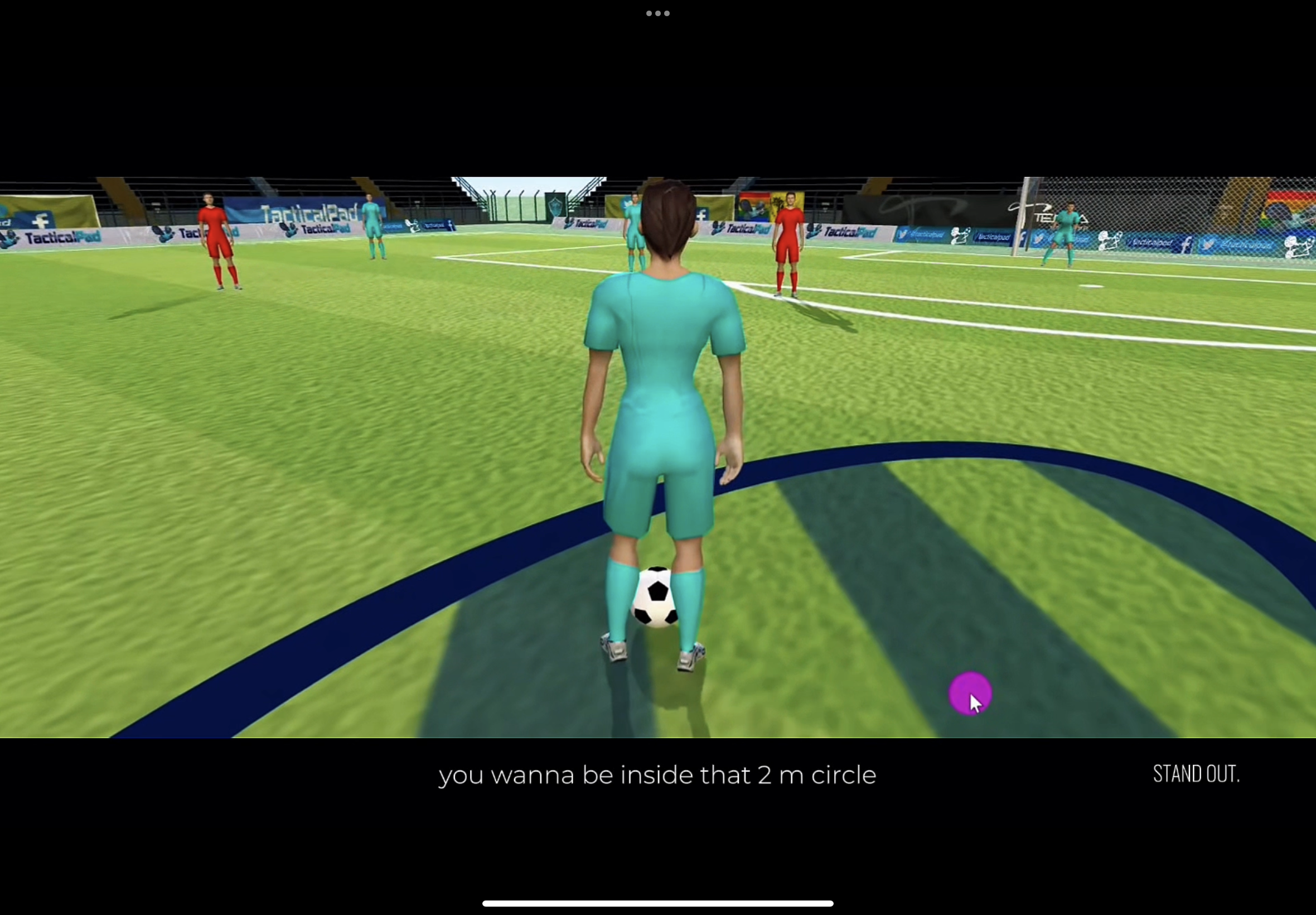
If the player receives with her back to goal and turns forward the line is broken.
The goal is to close the space early so her only option becomes backwards.
THE PRINCIPLE.
Ball traveling.
Back to goal.
Step early.
Close the space.
Do not allow the turn.
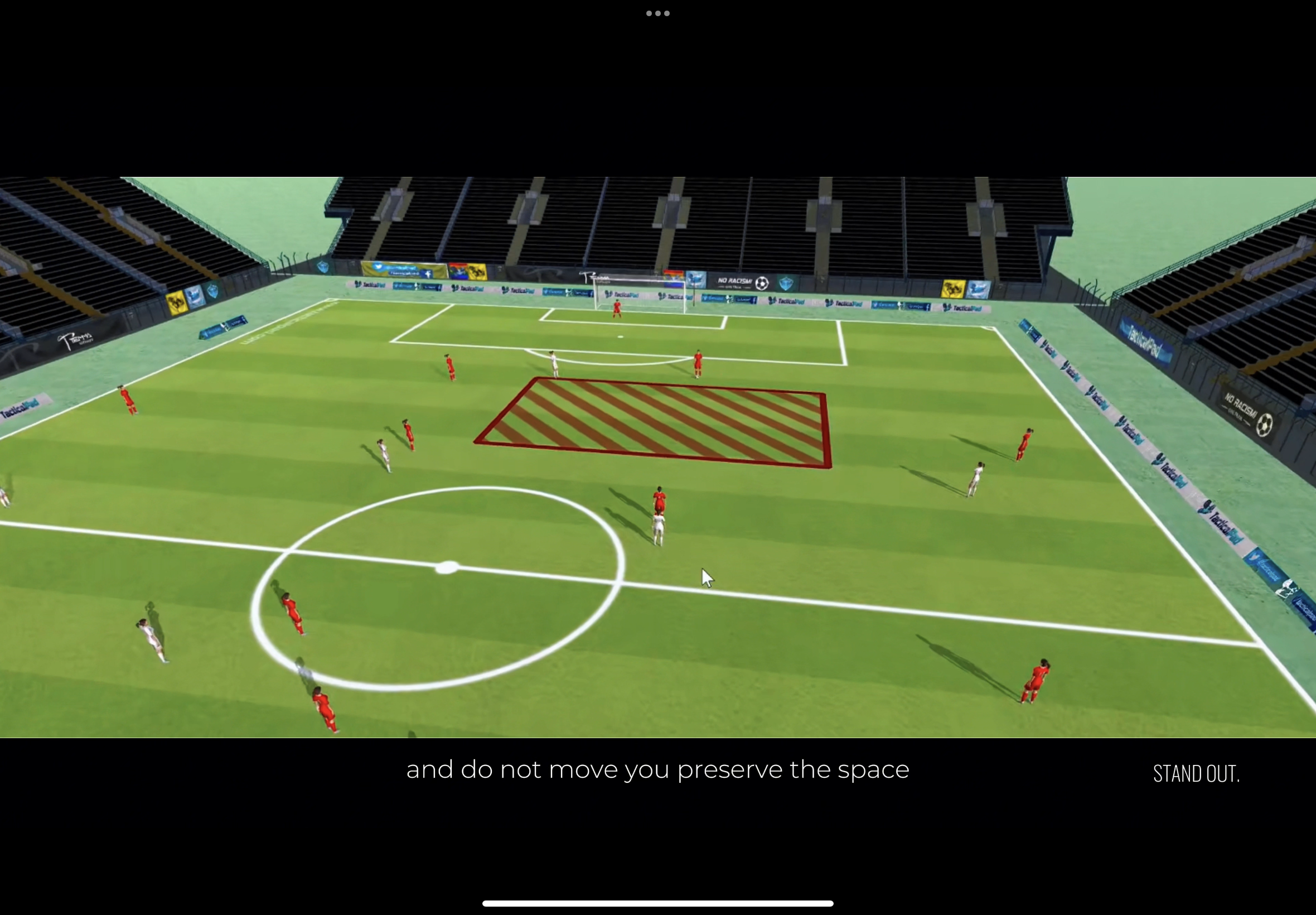
TIMING OF YOUR MOVEMENT.
The timing of your movement decides how much space and time you’ll have when you receive.
DO NOT MOVE TOO EARLY.
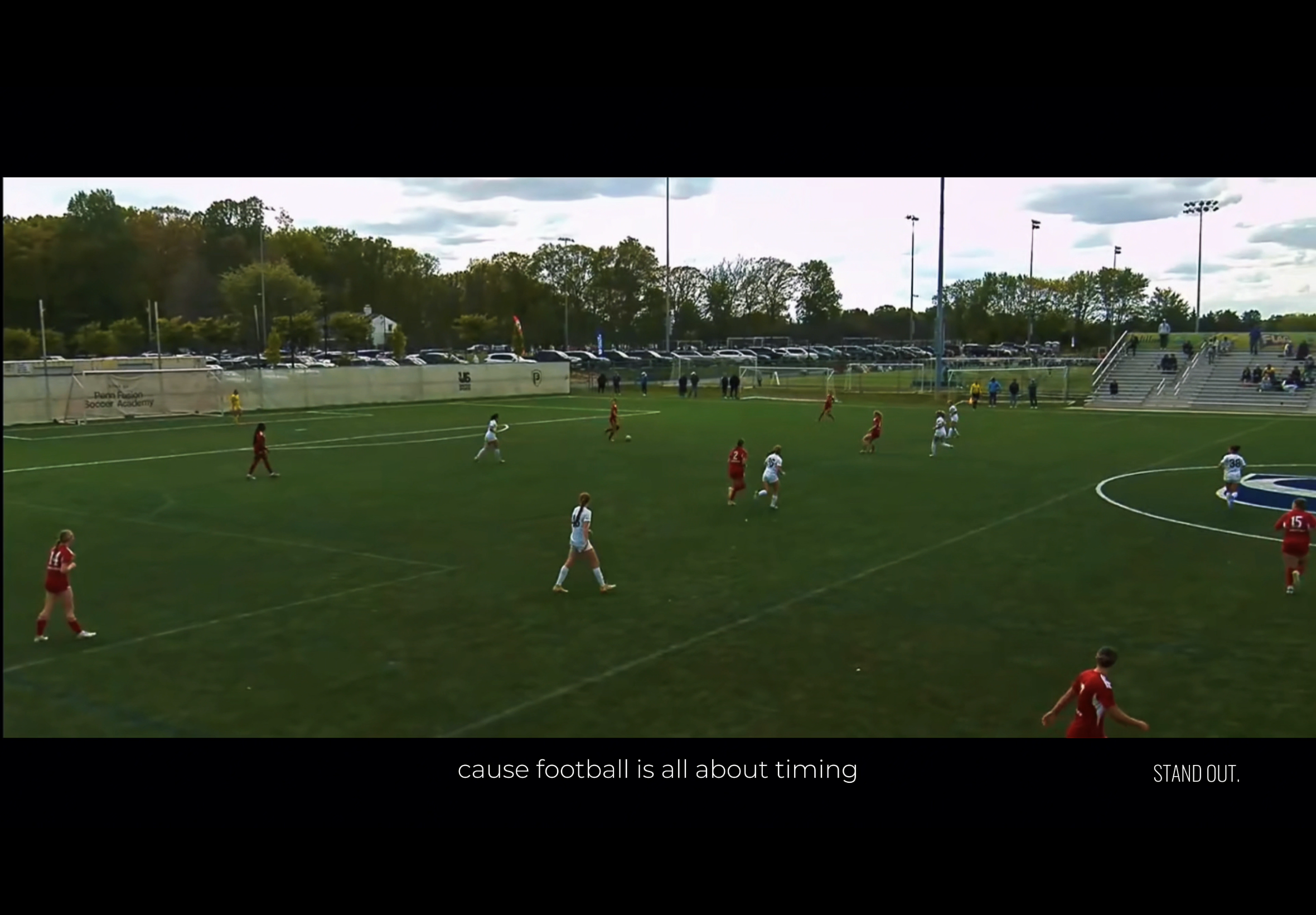
If the center back has time on the ball there is no emergency.
Showing short too early only compresses the space and makes you easier to mark.
PRESERVE THE SPACE.
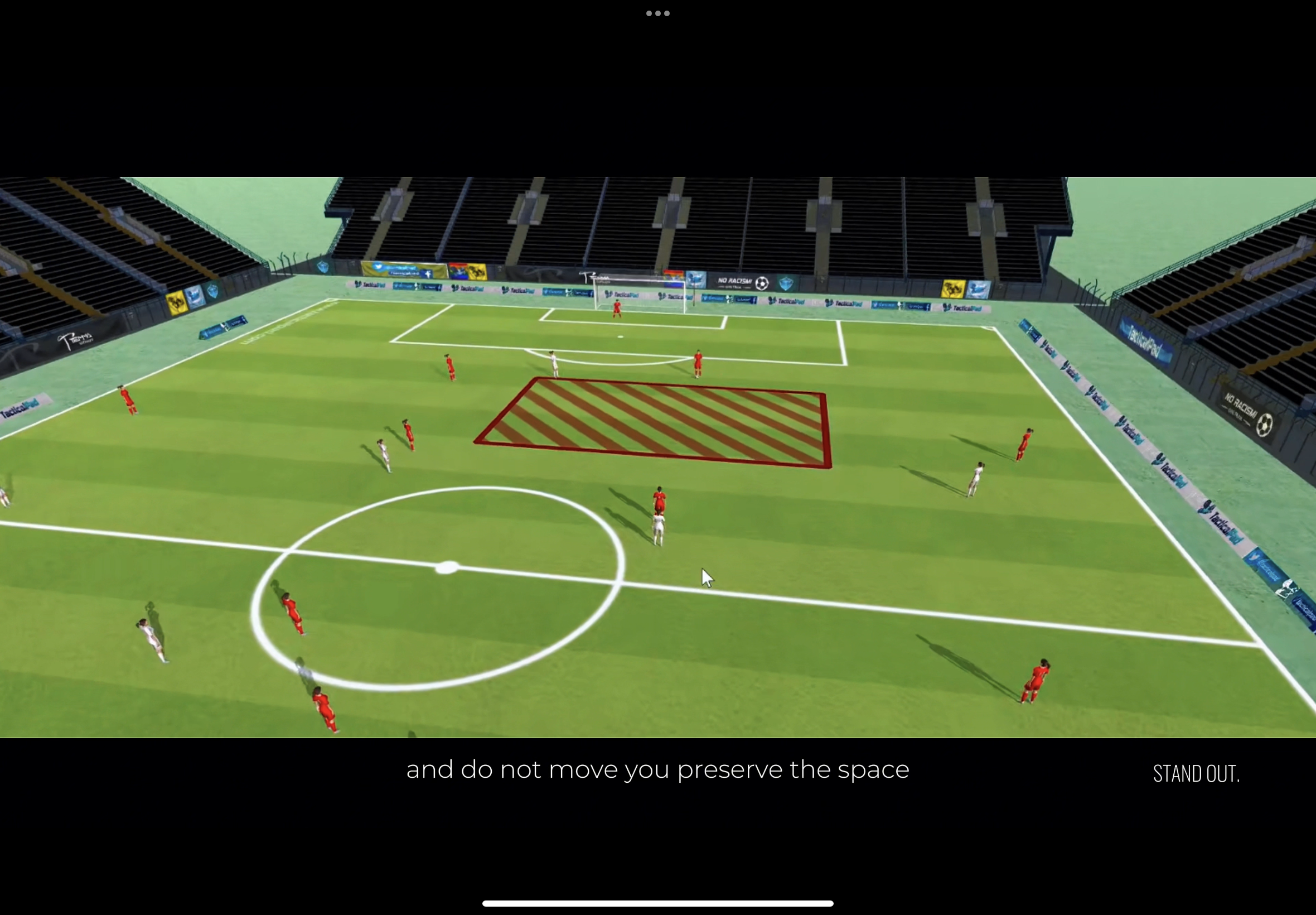
Every early movement shrinks the space you want to receive in.
The best midfielders stay patient and hold the space until the timing is right.
IMMEDIATE PRESSURE.
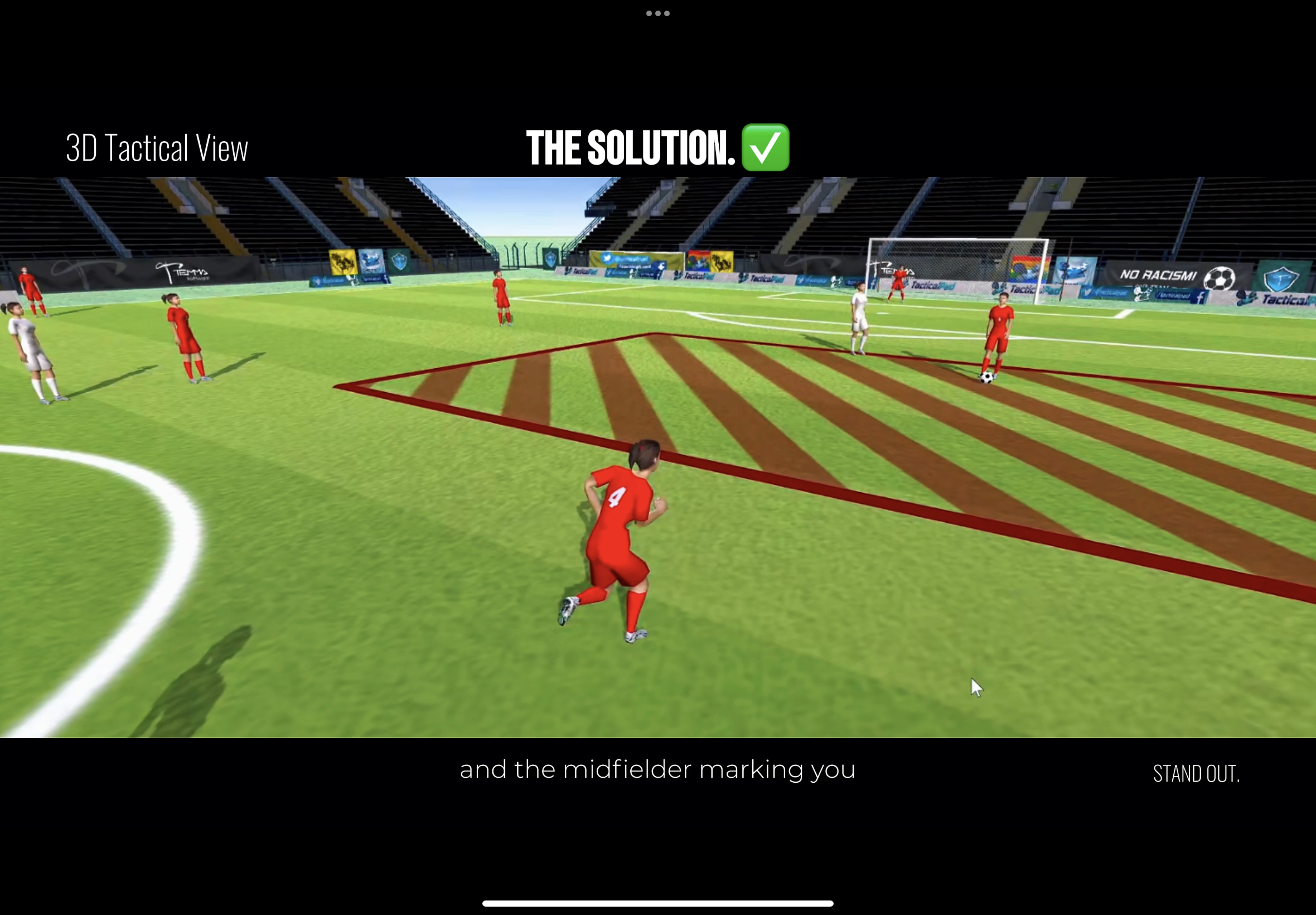
The trigger to move is immediate pressure.
Once the defender gets close enough to affect the ball that’s when you burst into space.
CREATE SEPARATION LATE.
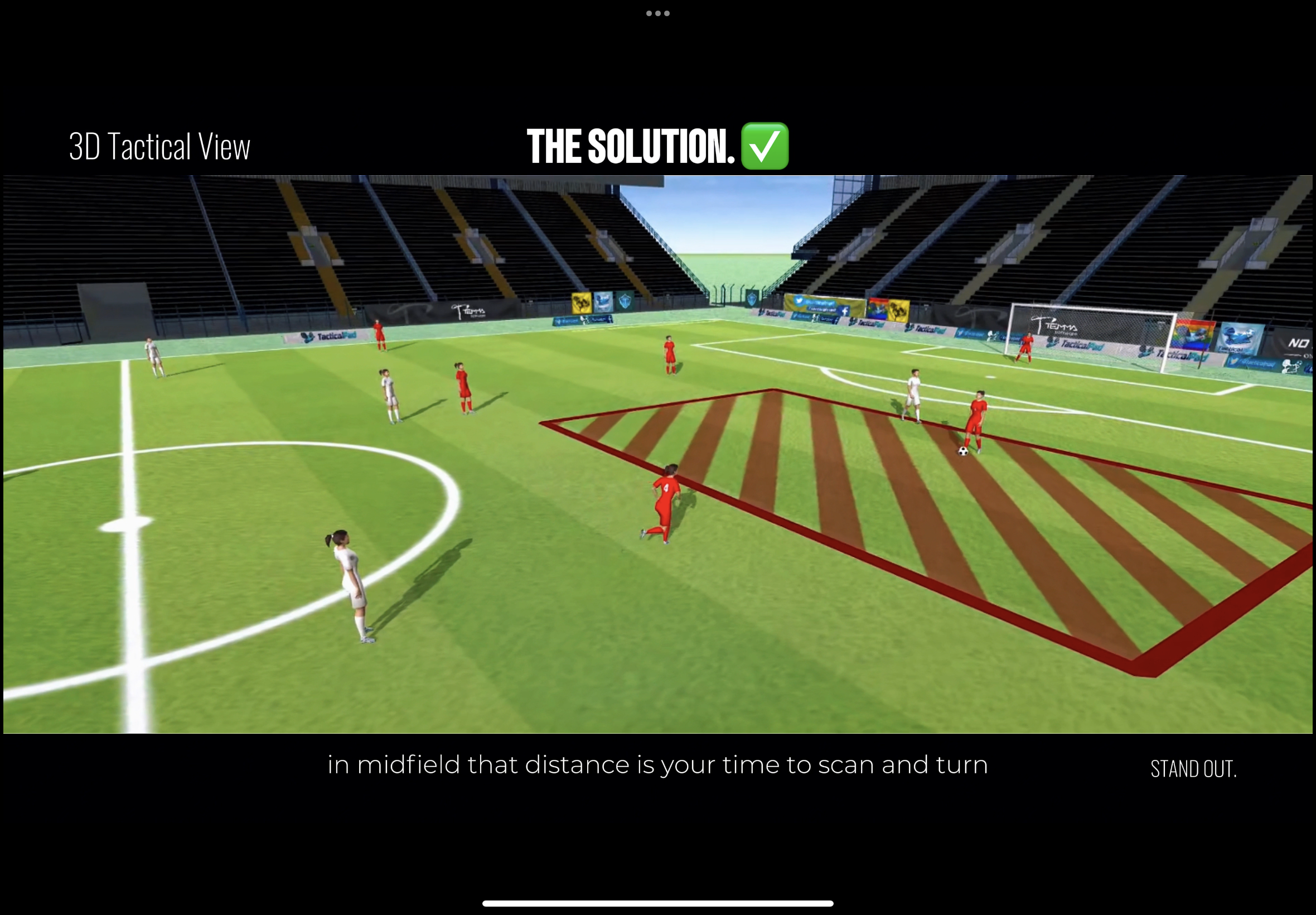
Late explosive movement creates separation.
And sometimes that tiny bit of distance is all you need to turn scan and play forward.
THE PRINCIPLE.
If there’s no pressure stay between the lines.
If pressure arrives explode into space.
Patience first. Burst second.
BEYOND THE LINE.
At higher levels, playing forward is rarely about technique.
It is about what you can see before the ball arrives.
The players who consistently play forward are not reacting.
They already know their next action.
THE KEY HABIT.
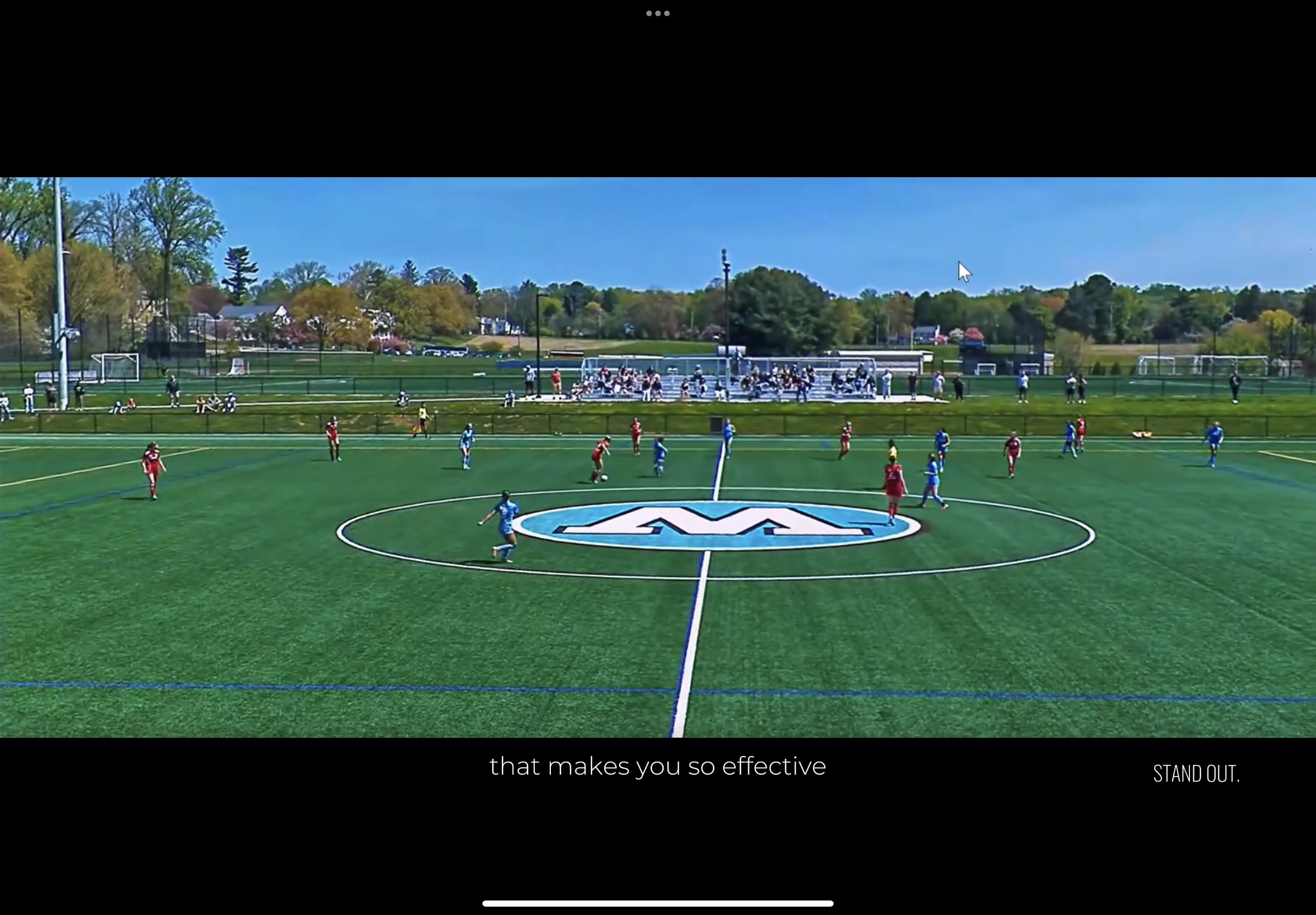
When you are effective, you see the ball and the defender pressing you in the same frame.
That gives you full information.
You know where to move your first touch.
You know when to move it.
Because of that, your actions become positive.
You play forward.
You switch.
You break lines.
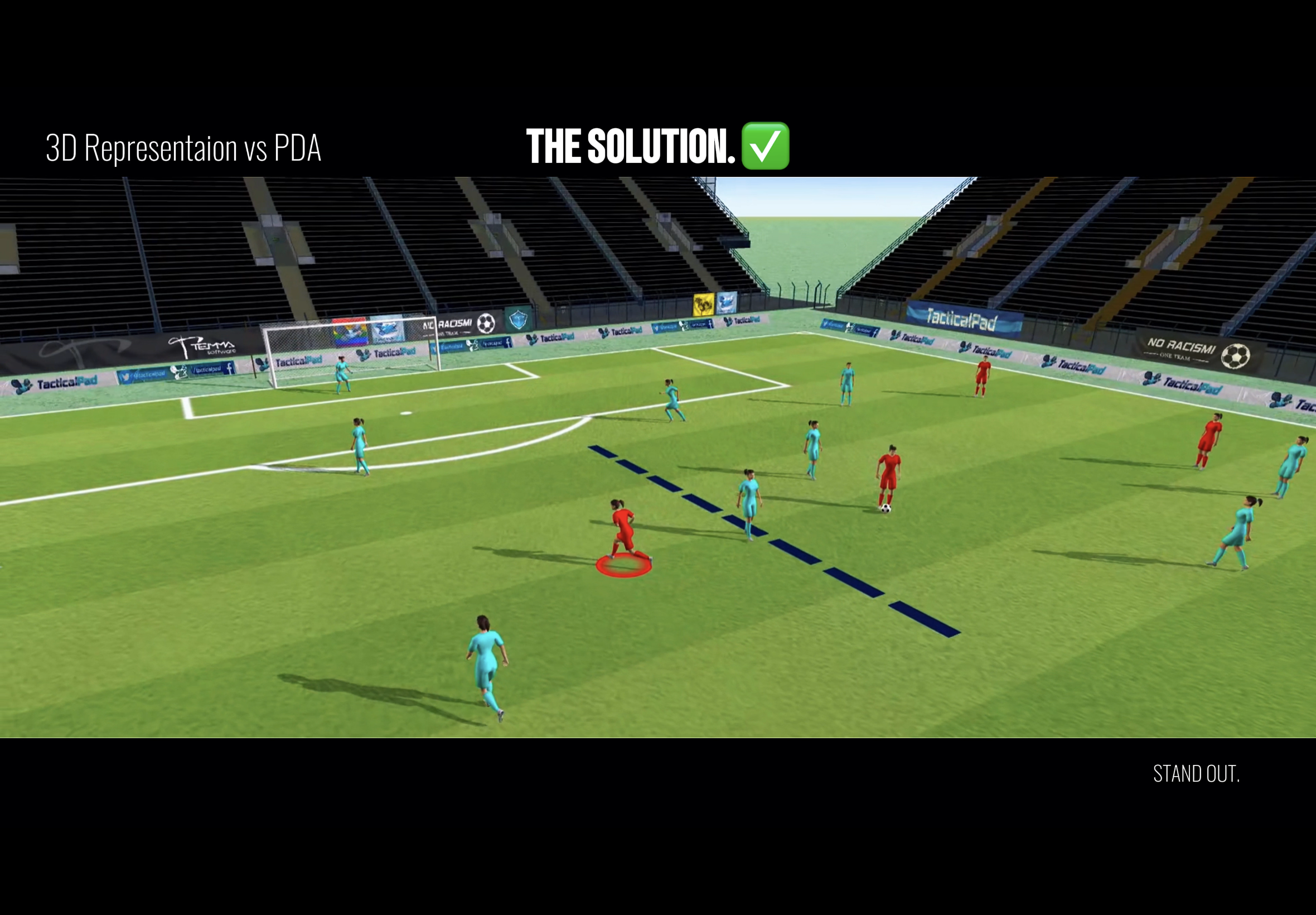
THE VERTICAL LINE.
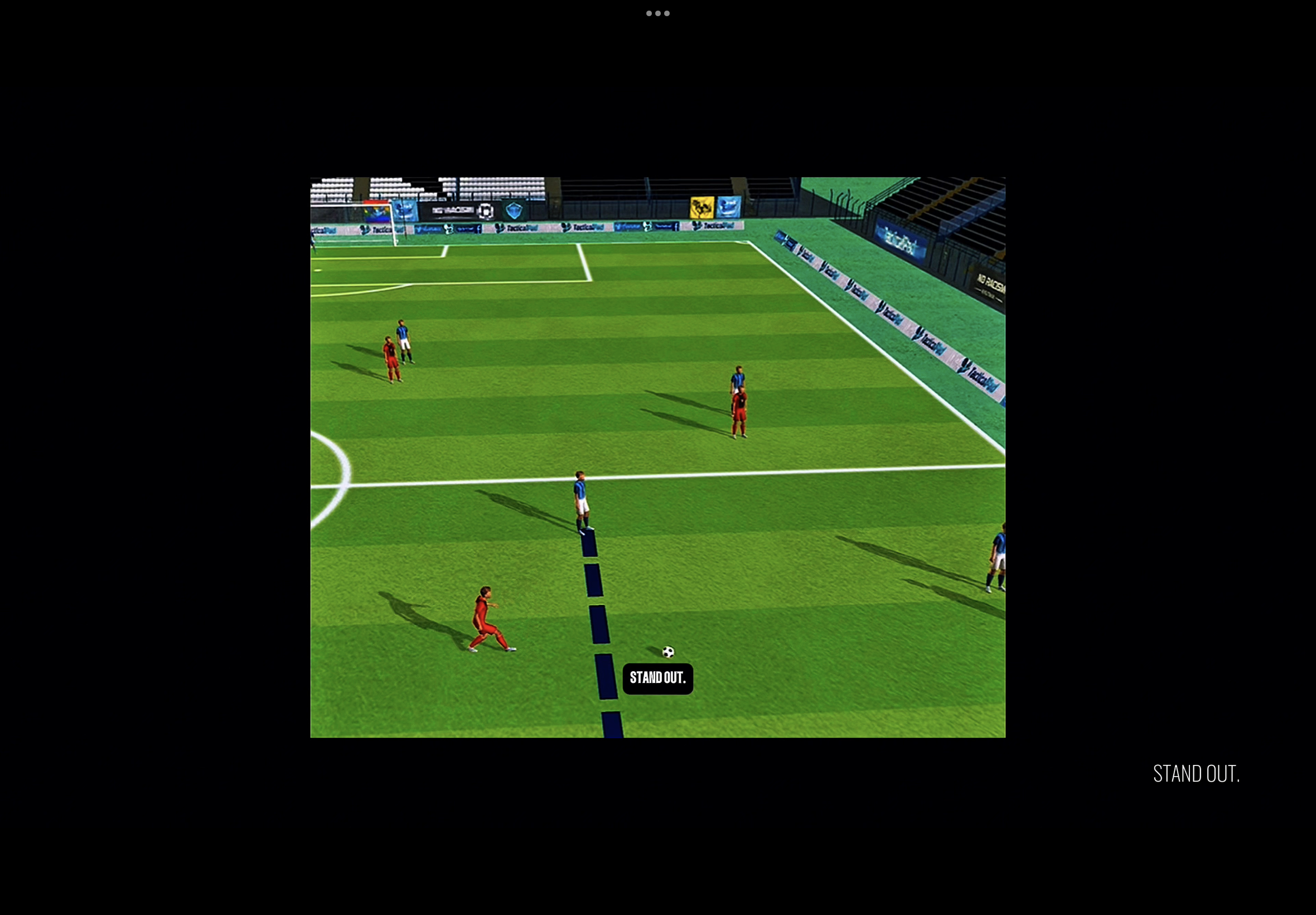
Imagine a vertical line through the defender pressing you.
Your position relative to that line changes everything.
If you stand on the line, the pressure comes straight.
If you stand beyond it, you can see both the ball and the defender.
That is the advantage.
WHY IT WORKS.
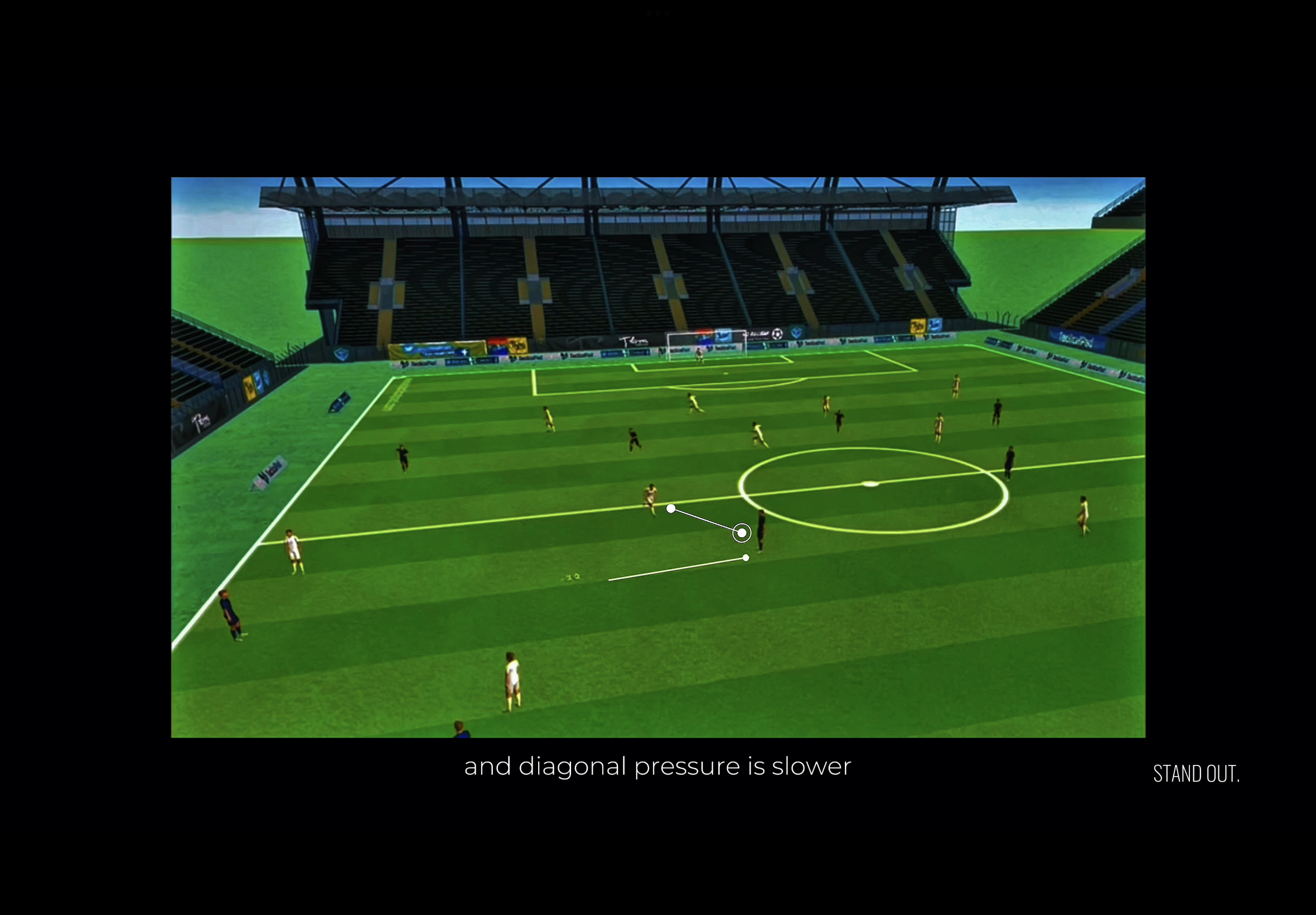
When you are beyond the line, the pressure becomes diagonal.
Diagonal pressure is slower.
It is more hesitant.
Because if the defender commits, you can beat them with your first touch.
That hesitation gives you time.
And you use that time to look forward and play more dangerous passes.
WHAT THE DEFENDER SEES.
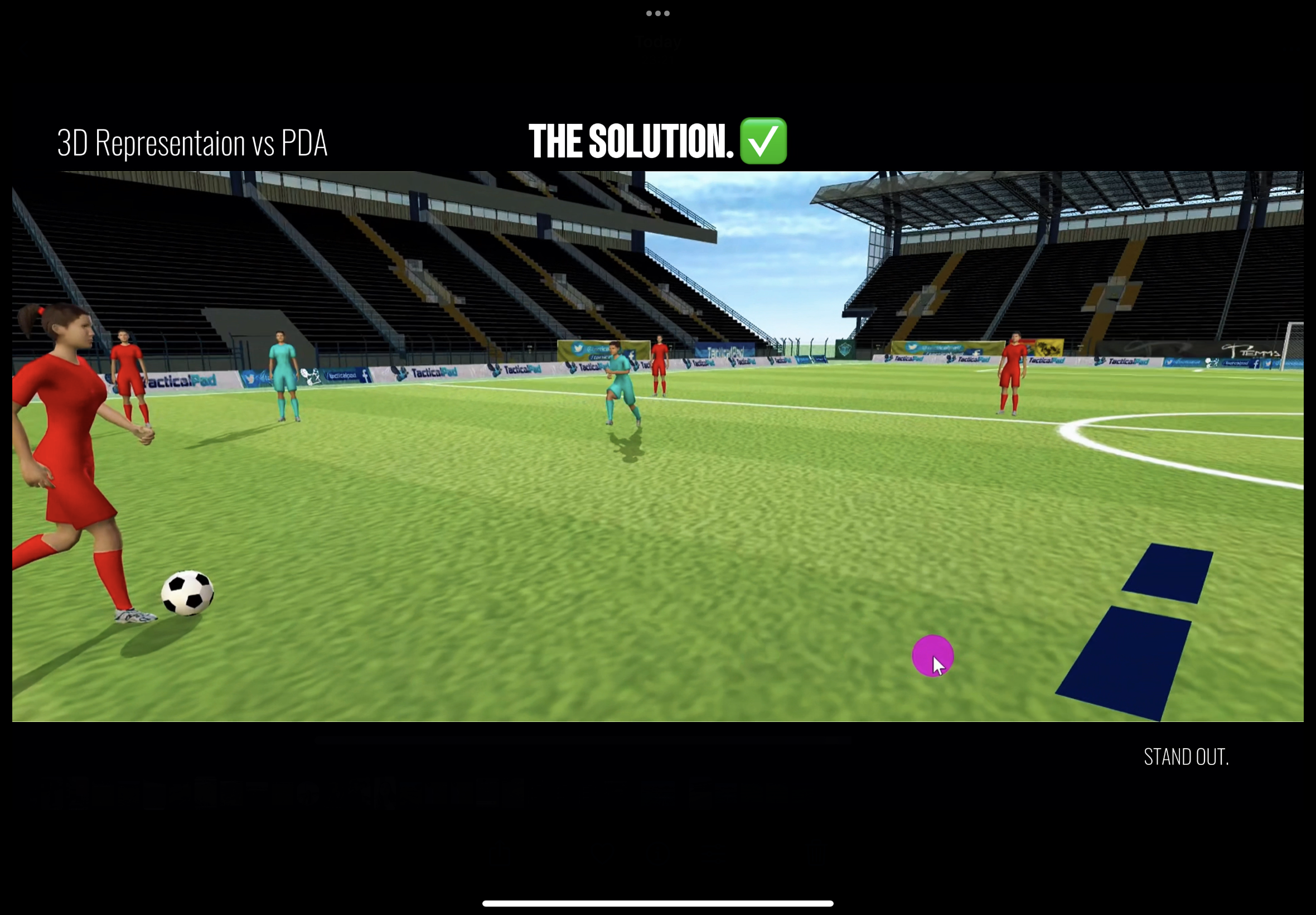
This is not only about your vision.
It is about the defender’s.
If the defender can see both you and the ball, they can control you.
If they lose you and watch the ball, they lose control.
That is your cue.
ATTACK THE SPACE.
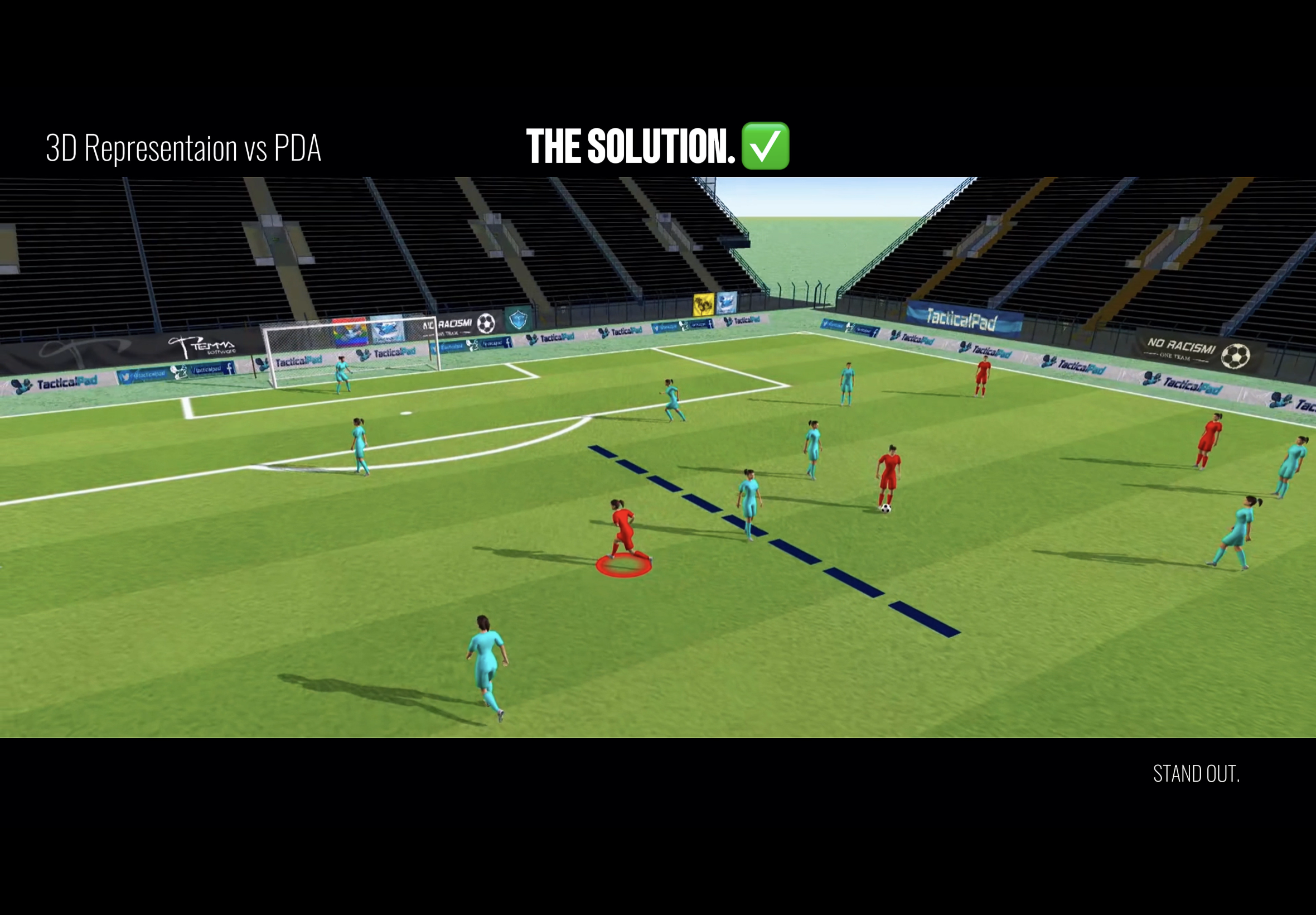
When the defender becomes ball-watching, you move.
Not to feet.
Behind.
Into the space they cannot see.
If you receive there, you are already facing forward.
The line is already broken.
PRINCIPLE.
See the ball and the press in the same frame.
Position beyond the vertical line.
Use the hesitation.
Attack when the defender loses sight of you.
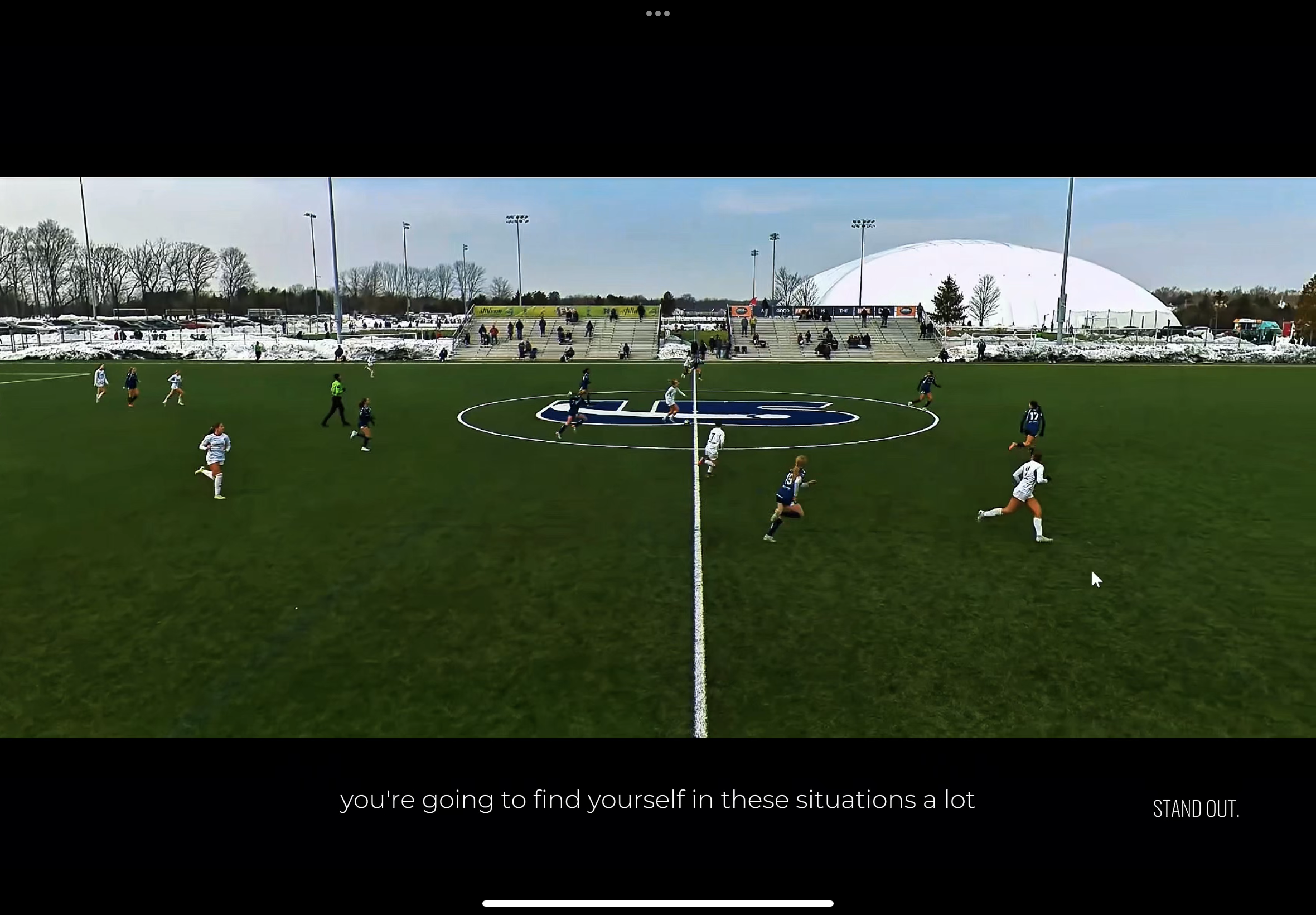
KEEP DRIVING.
These are your moments as a 10.
When you drive at the back line in transition,
you’re not reacting.
You’re controlling the situation.
WHEN YOU ARE IN CONTROL.
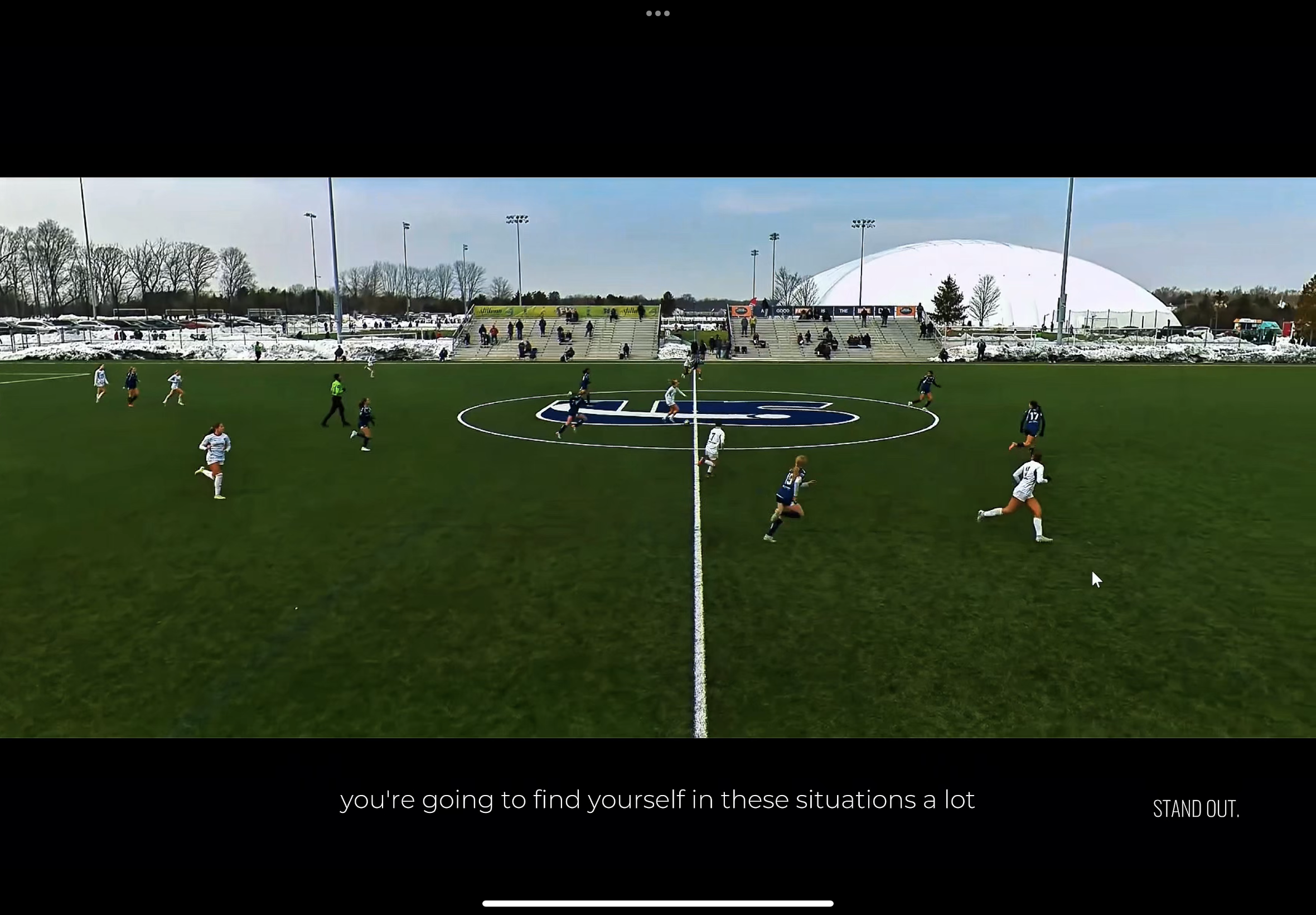
As long as you’re driving centrally
with your hips facing goal,
the back line is reacting to you.
They don’t step.
They drop.
WHAT THE BACK LINE DOES.
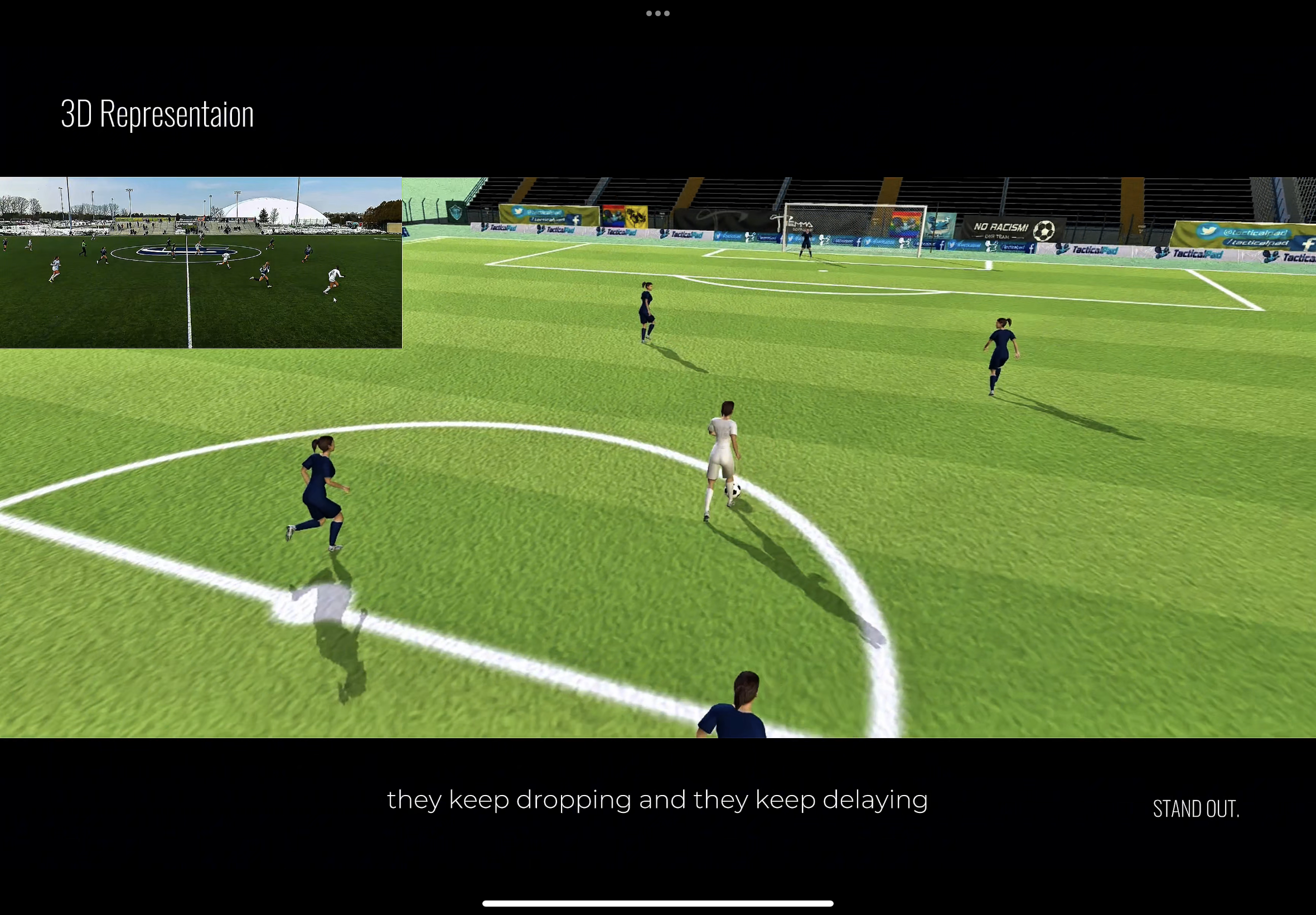
They delay.
They keep dropping.
Because there’s no clear trigger
to step and press you.
That gives you time.
THE COMMON MISTAKE.
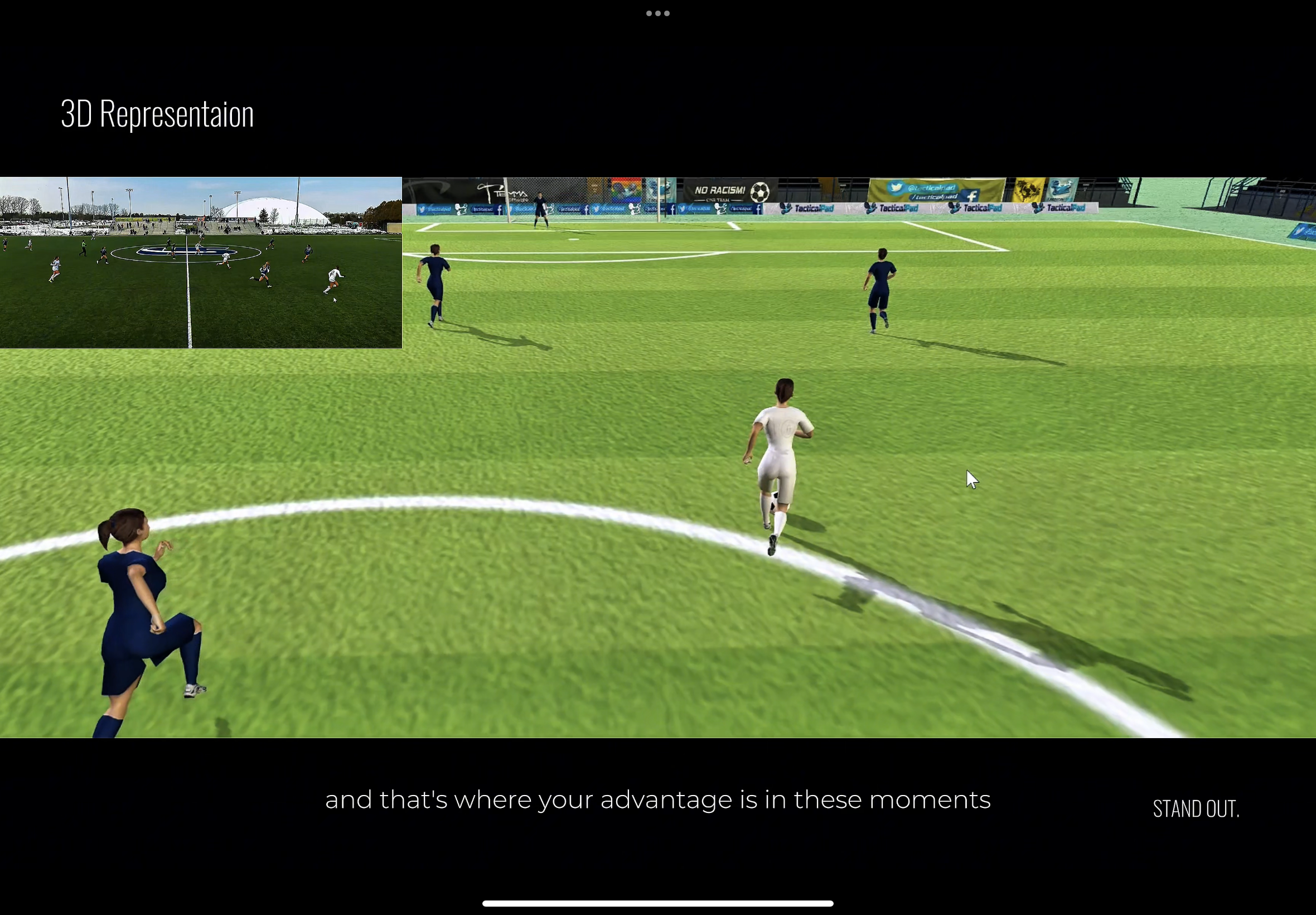
Rushing the action.
Playing the ball too early.
Giving away control
before the defense is forced to act.
PATIENCE.
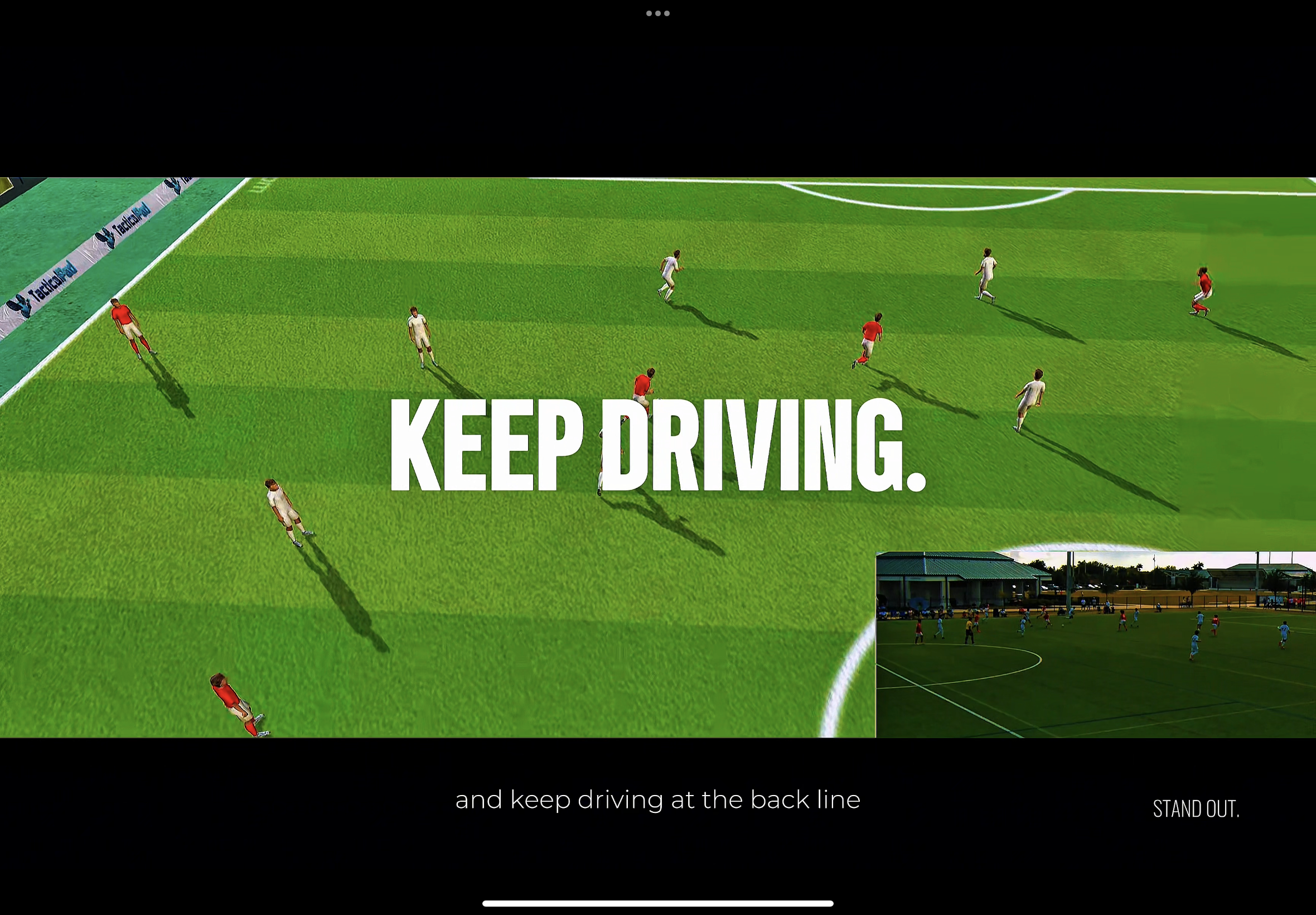
You don’t rush.
You keep driving.
You get closer to goal.
You use the time they give you.
WHEN THE MOMENT OPENS.
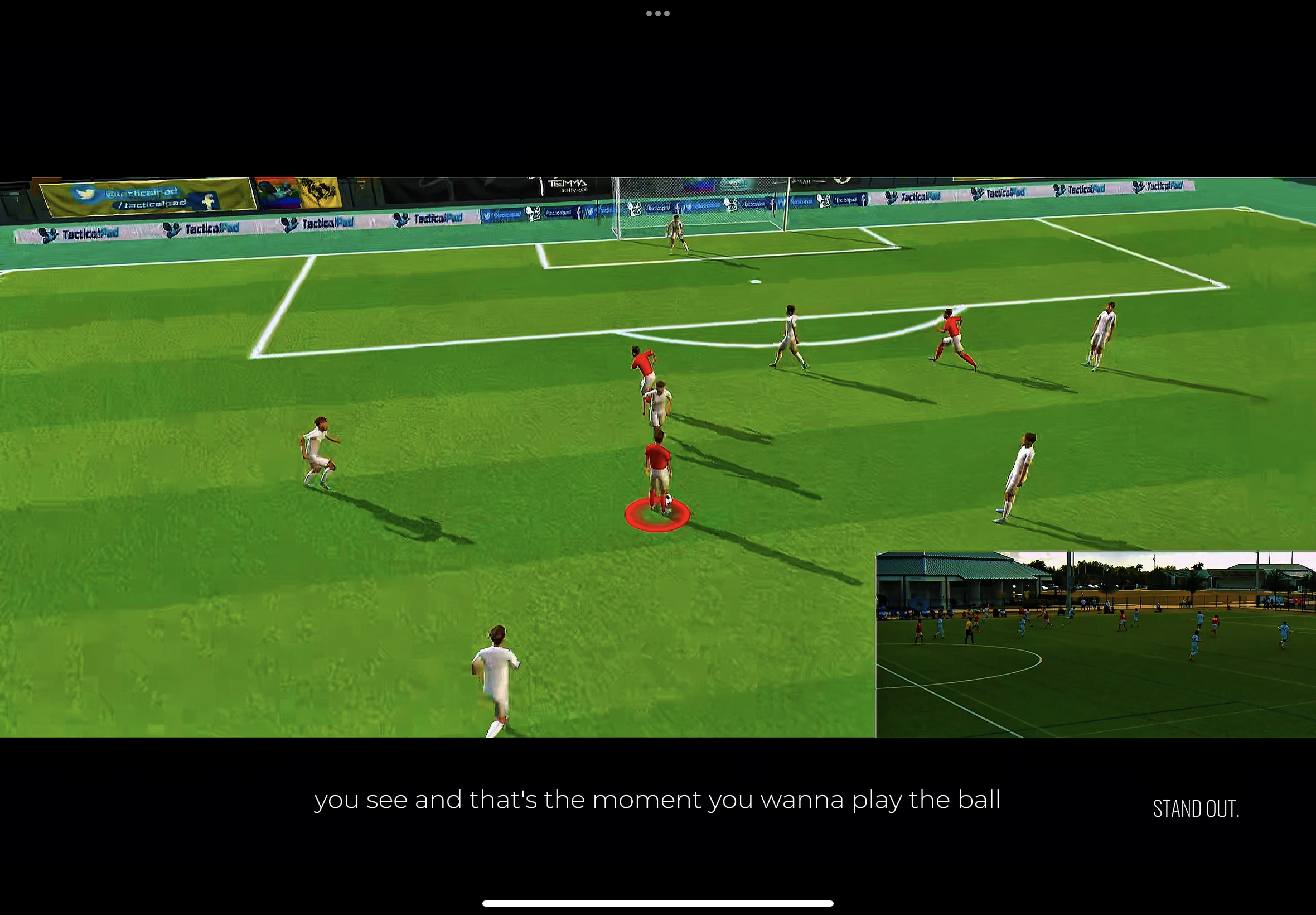
The back line can’t drop forever.
One defender has to step.
When they do,
the line breaks vertically.
Gaps appear.
WHAT THAT CREATES.
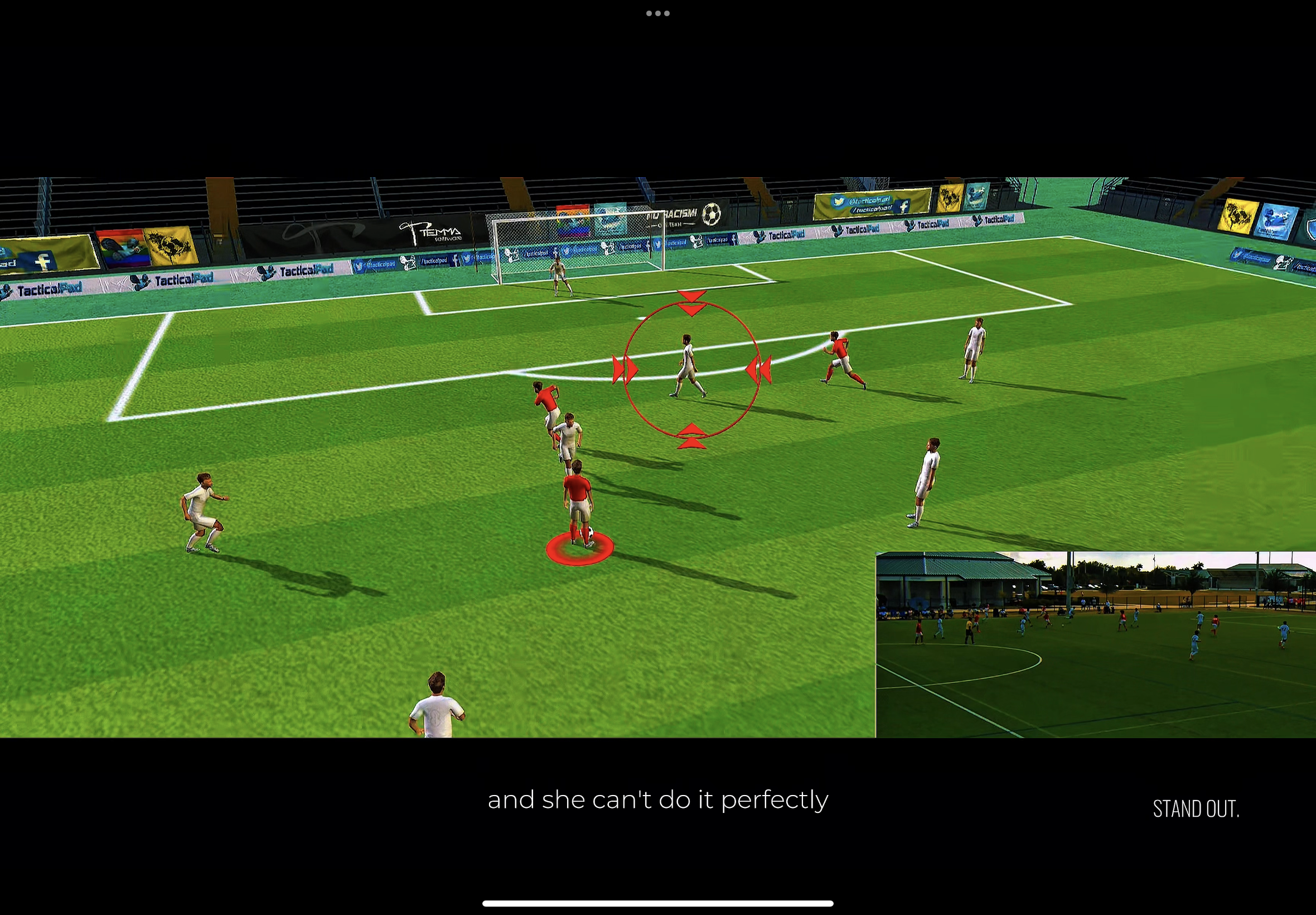
The remaining defender
has to cover multiple lanes.
She can’t do both.
She has to commit.
That’s when the space opens behind.
THE REFERENCE.
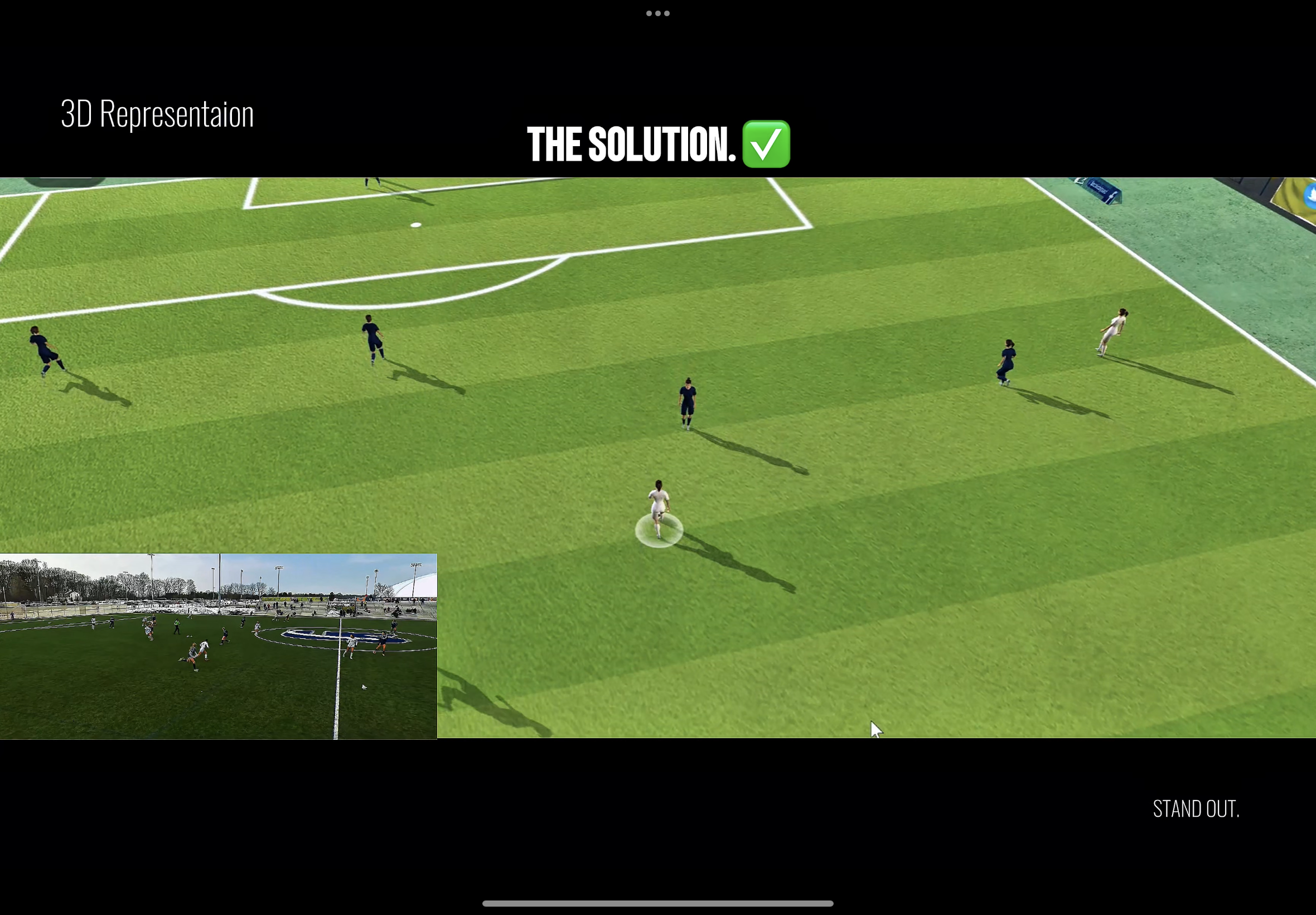
Pick one center back.
Drive at them.
Force the decision.
When they step,
the space opens.
WHAT IT SHOULD LOOK LIKE.
Drive central.
Stay patient.
Wait for the step.
Play the through ball.
Principle.
You don’t force the pass.
You create the moment.
Drive.
Control.
Wait.
Exploit.
That’s how you turn transition
into clear chances.
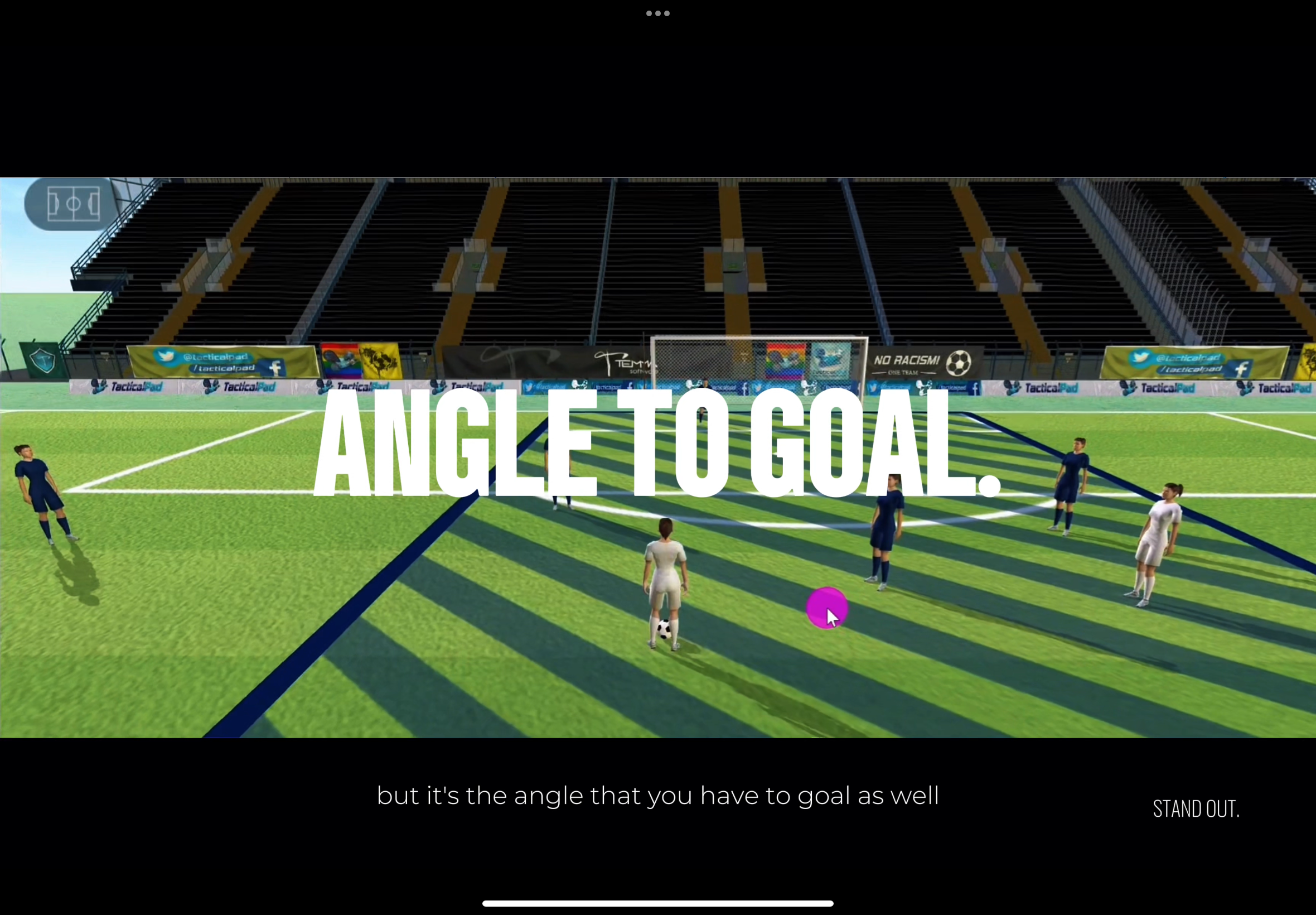
THE SELFISH ZONE.
Most players think goals come from being close to goal.
But distance is not the most important factor.
The real advantage comes from the angle to goal.
There are very few places on the field where a player can face the goal with a clean shooting angle.
One of those places is the space just outside the penalty area, in the center of the field.
Analysts call this Zone 14.
But the name is not important.
What matters is understanding what this space gives you.
This is where attacking players must become direct and decisive.
BEST ANGLE OUTSIDE THE BOX.
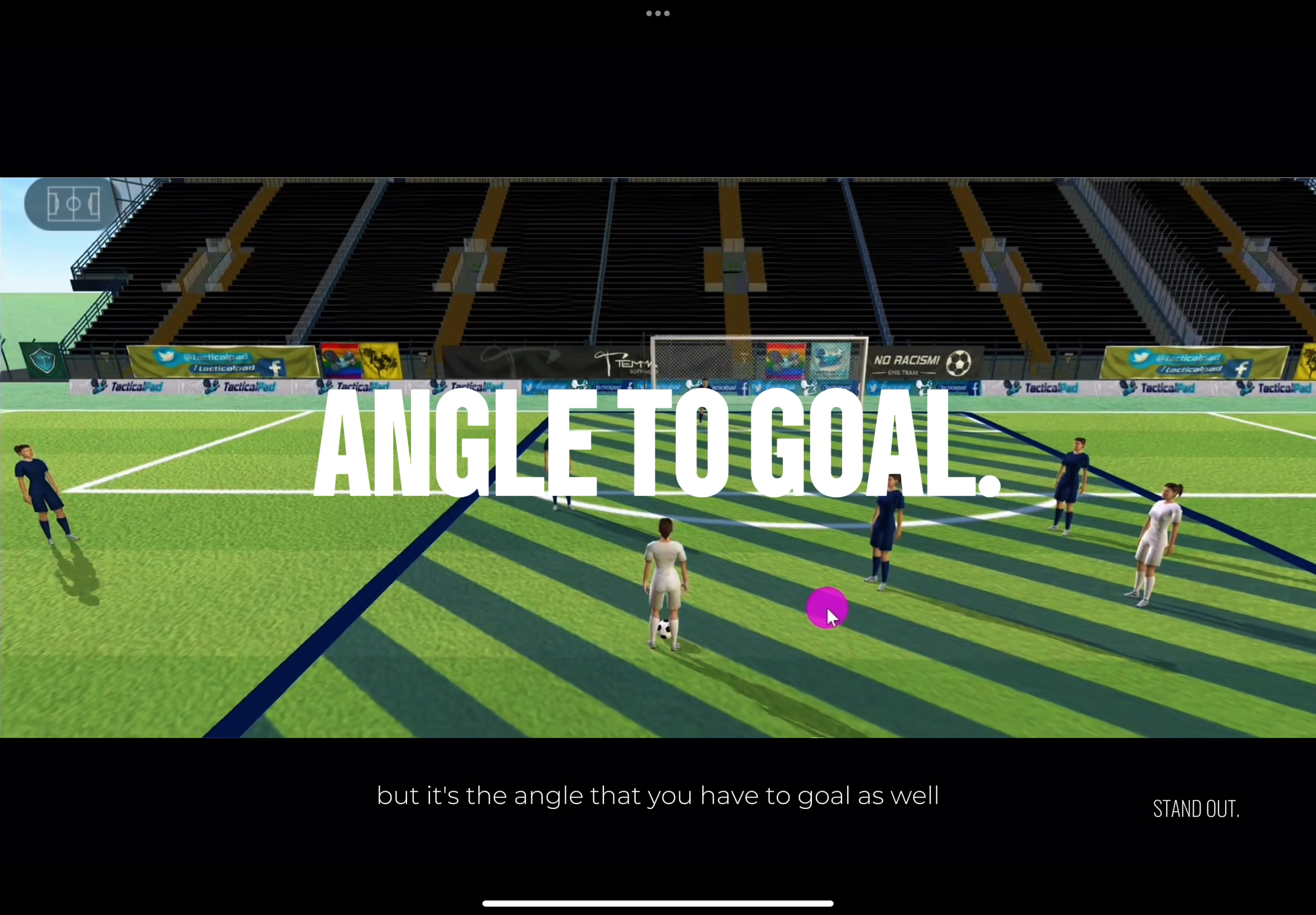
The space directly in front of the penalty area gives attacking players the clearest shooting angle outside the box.
From this position the goal is directly in front of you.
That means the shooting window is larger than from wide areas.
Even when you are further from goal, the angle allows the shot to travel through more space between the posts.
Because of this, this zone becomes the most dangerous shooting area outside the penalty area.
THE BEST PLAYERS ONLY NEED A LITTLE SPACE.
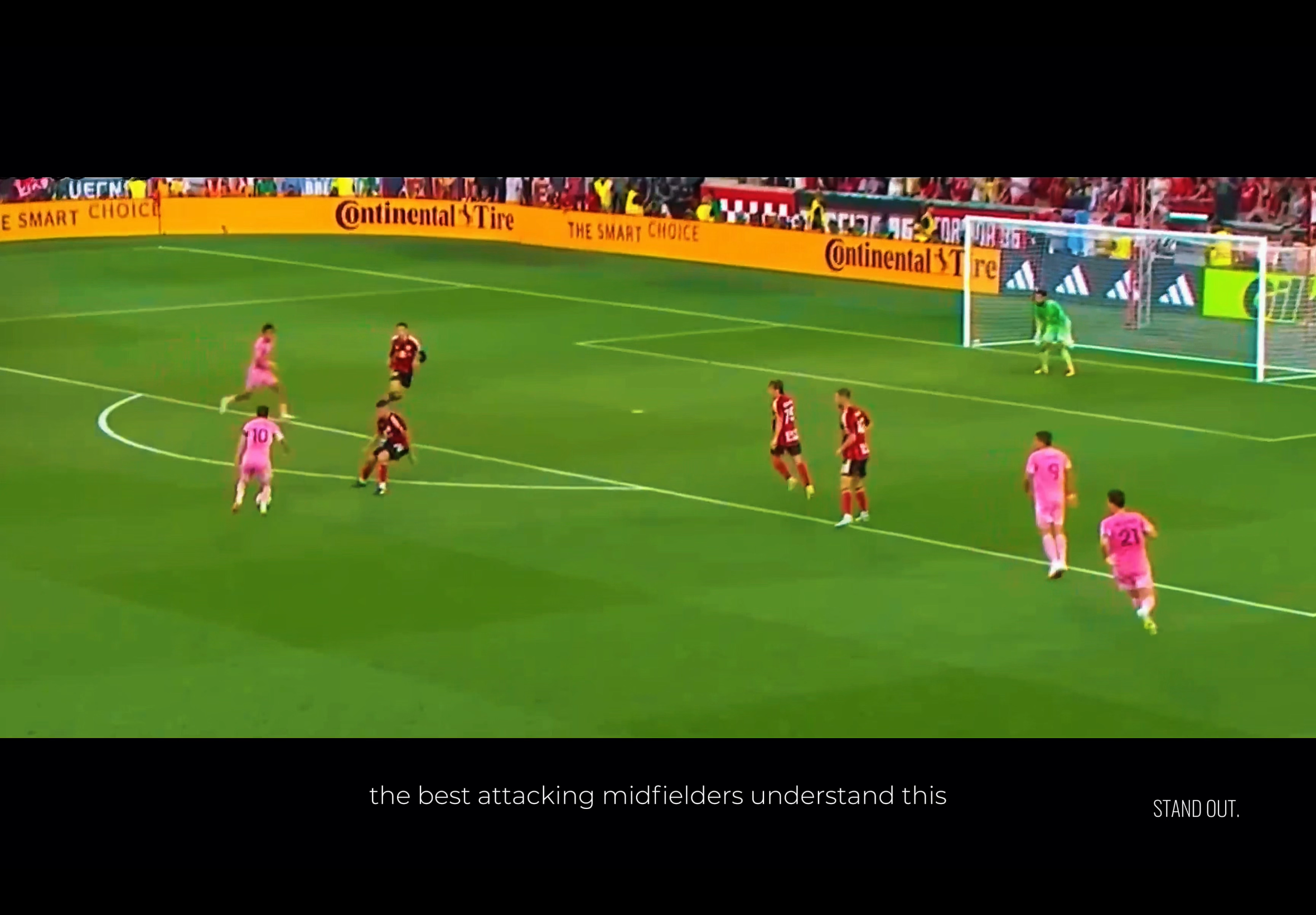
Players who understand this zone do not look for large gaps before shooting.
They already have the best angle to goal.
All they need is a small shift of the ball.
One touch sideways.
One step to open the body.
Then the shot comes immediately.
The shot happens within the stride, before the defense can recover.
THE COMMON MISTAKE.
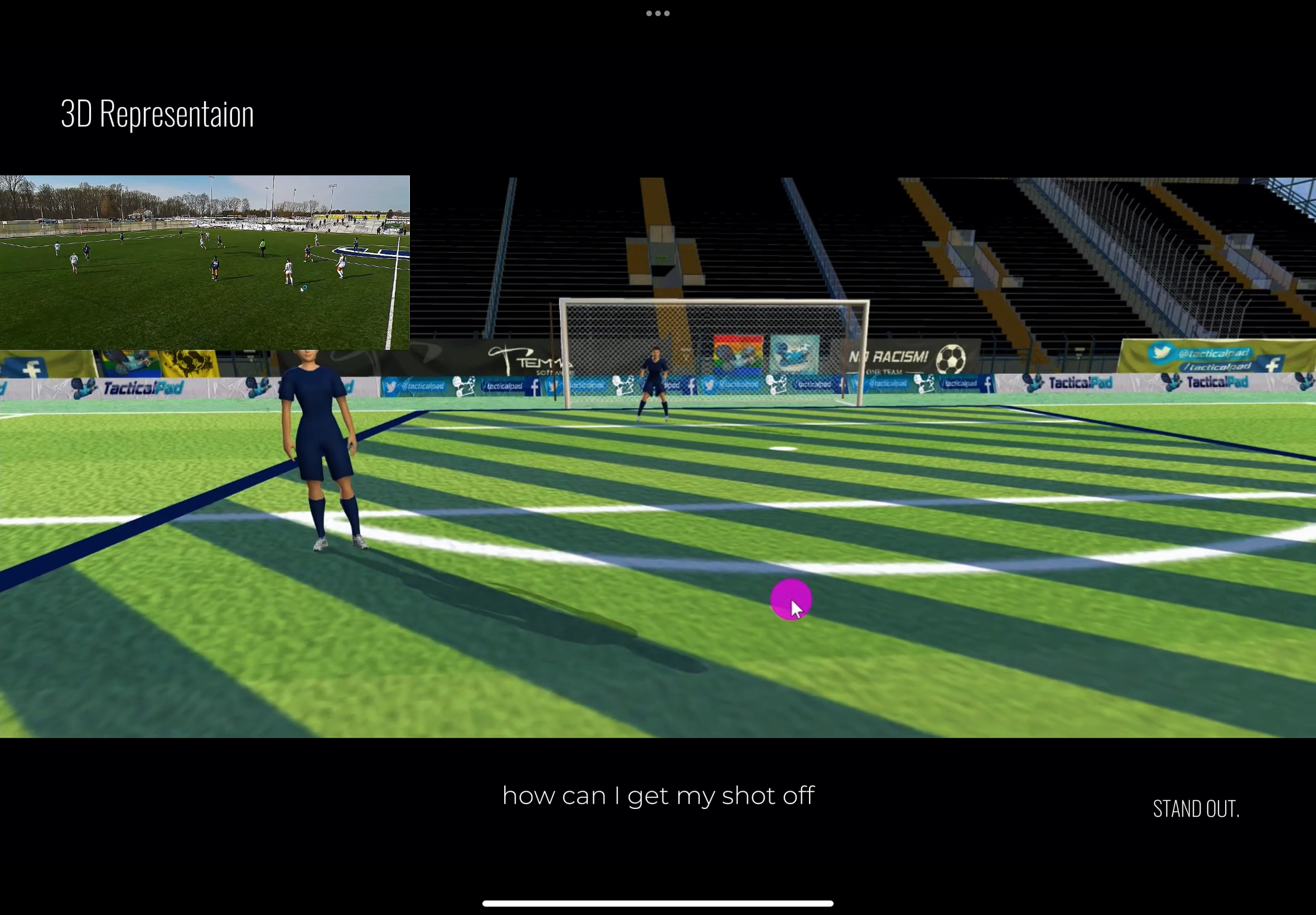
Many players receive the ball here and immediately think about circulating possession.
They look wide.
They look backwards.
They start searching for safer options.
But every second spent hesitating allows the defense to recover shape and close the shooting lane.
The moment disappears.
DIRECTNESS DECIDES YOUR VALUE.
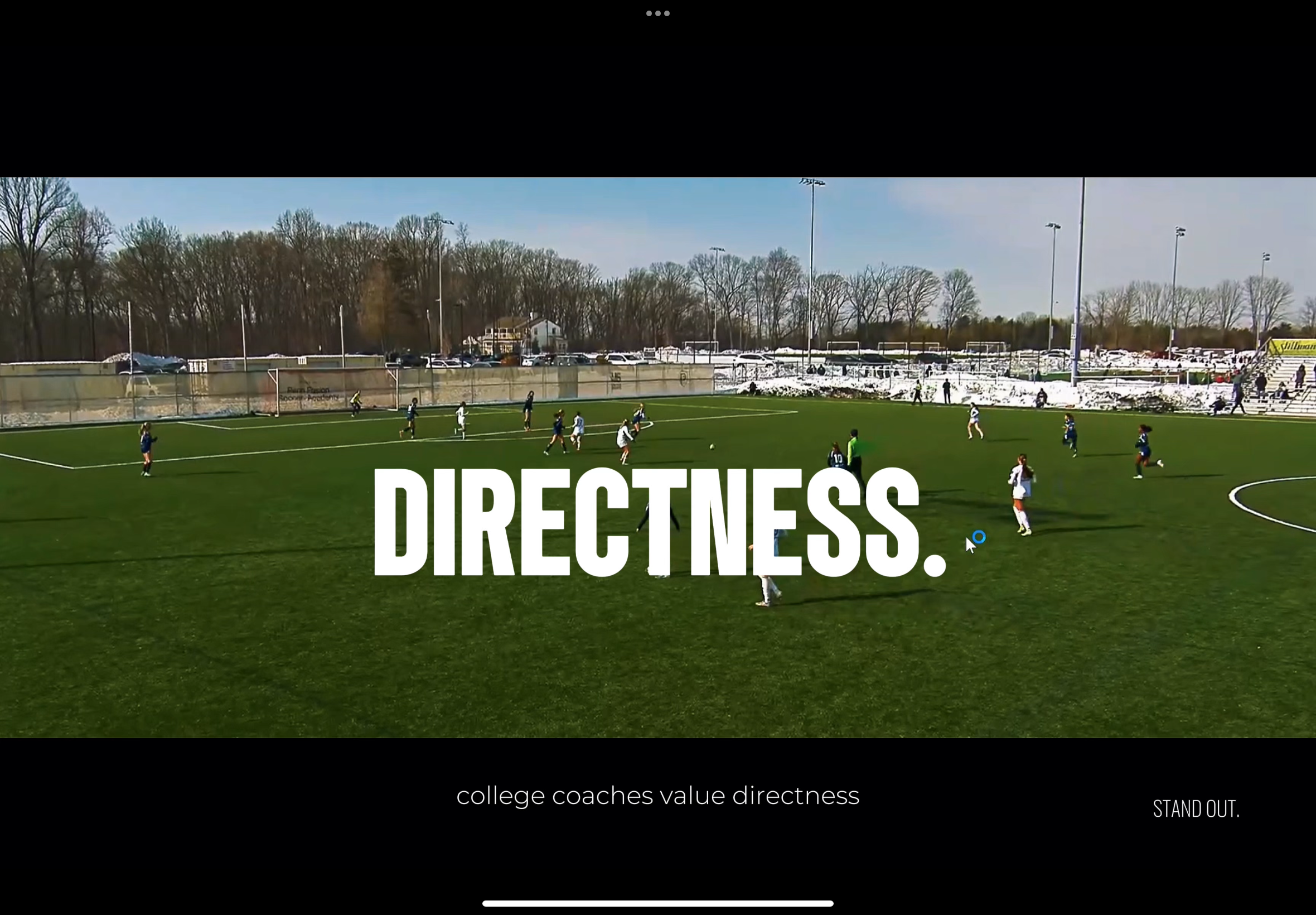
The most effective attacking midfielders treat this area differently.
Their first thought is always the same.
How quickly can I get a shot off?
Because they understand that the value of the moment comes from the angle already available.
The decision must be immediate.
Principle
When you receive the ball in this central space outside the box, the priority changes.
This is not a circulation zone.
This is a punishment zone.
You already have the angle.
All you need is a small shift.
Then strike.