EMILE
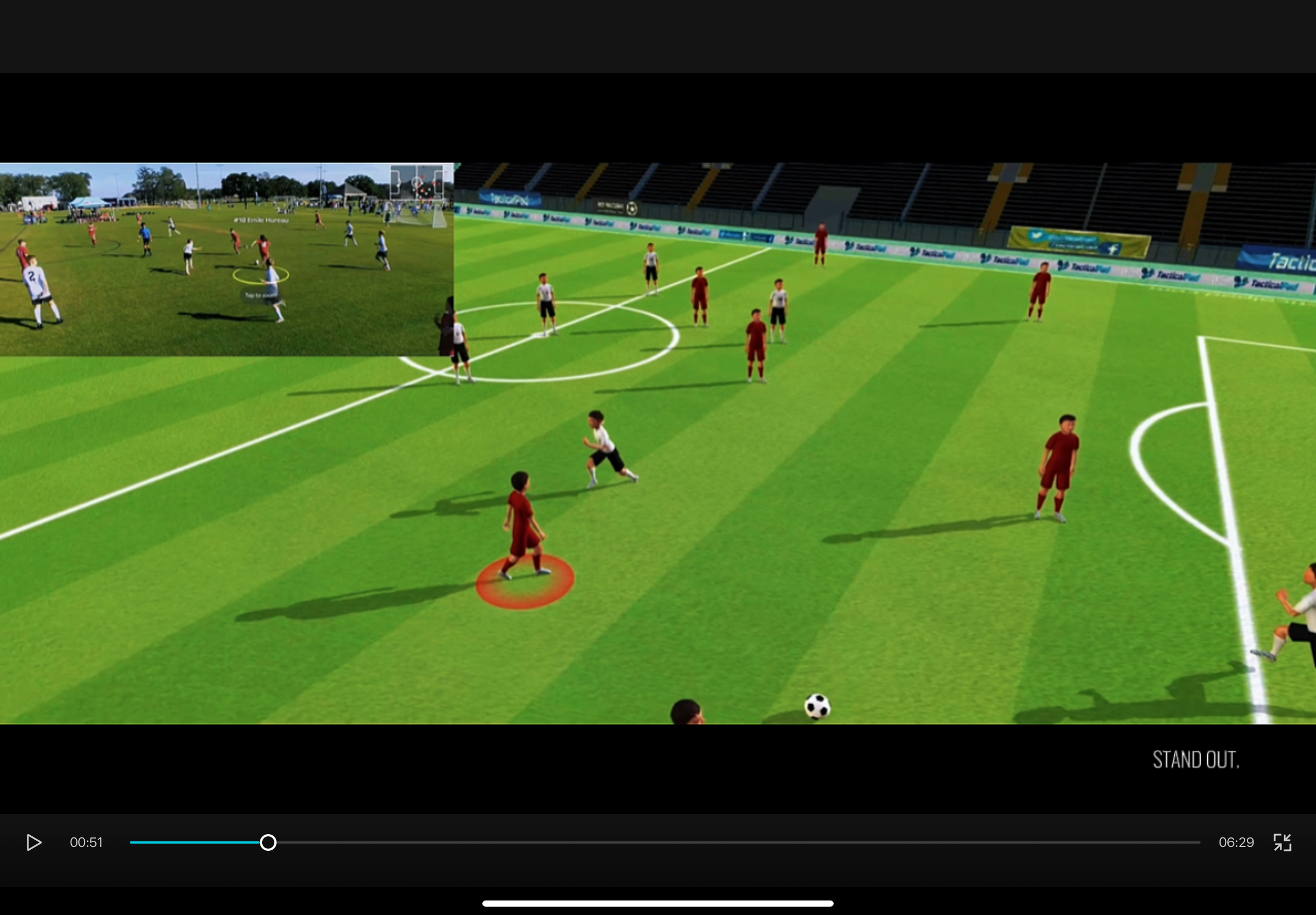

This video focuses on Zone 14, the central area outside the box where the angle to goal is strongest.
From this position, you don’t need time or space.
You only need a small shift to get your shot off.
The key idea is simple.
Think shot first.
Not because you will always shoot.
But because that mindset speeds up your decisions, forces defenders to react, and creates more space and better options automatically.
When you think direct, the game opens.
That’s what separates involvement from impact.

This video explains one of the most important concepts for midfielders.
Space appears where the press starts.
When a defender steps out to press, they leave a gap behind them. That gap is where the opportunity is.
You can attack it with the ball, or you can use it by playing first and then moving into it.
The key is what happens after you pass.
Don’t stop. Move immediately.
That is how you receive the ball behind the line, facing forward, and in control.
The game becomes easier when you stop fighting pressure and start using it.

This video explains a simple rule that changes how you see the field when receiving the ball from wide areas into the center.
When the ball travels inside, defenders naturally shift toward it and the defensive shape becomes narrow. That movement often leaves the far side of the field with fewer players and more space.
In football, situations with fewer players usually favor the attackers. A 2v2 is often more dangerous than a crowded 3v3, and an isolated 1v1 favors the attacker even more.
The key habit is scanning the far side while the ball is traveling. When you recognize where the space is early, switching the play becomes automatic.

This video focuses on a small detail that creates more time on the ball.
You are already very good at seeing passes and playing quickly. The goal of this session is simply to help you get even more out of that strength.
The key detail is how you position your body before you receive the ball.
When your body faces the heart of the field, you see more of the pitch.
When you see more of the pitch, your picture becomes clearer.
And when the picture is clear, your decisions become faster.
That is what tempo really means in football.
Tempo is not about running fast.
Tempo is about how quickly you move the ball from your first touch to your next action.
To make this easier, we use simple reference points.
In your own half, try to receive the ball in a way where you can see the center circle.
In the attacking half, the reference becomes the opponent’s goal.
This habit does something else that is just as important.
It changes how defenders press you.
When a player faces their own goal, defenders know it is safe to press aggressively.
But when you face forward, you become a threat.
You can pass.
You can drive forward.
You can shoot.
Because of that, defenders hesitate.
And hesitation creates time.
This becomes even more important near the sideline, where defenders try to trap players against the line. Facing the field early removes that trap and keeps your options open.
Small habits like this are one of the reasons the best midfielders always seem to have more time on the ball.
It’s not magic.
It’s simply the result of body positioning that makes the game easier.