KILL THE PRESSING TRIGGER.
Time on the ball is rarely random.
REFERENCE POINTS CREATE A CLEAR PICTURE.
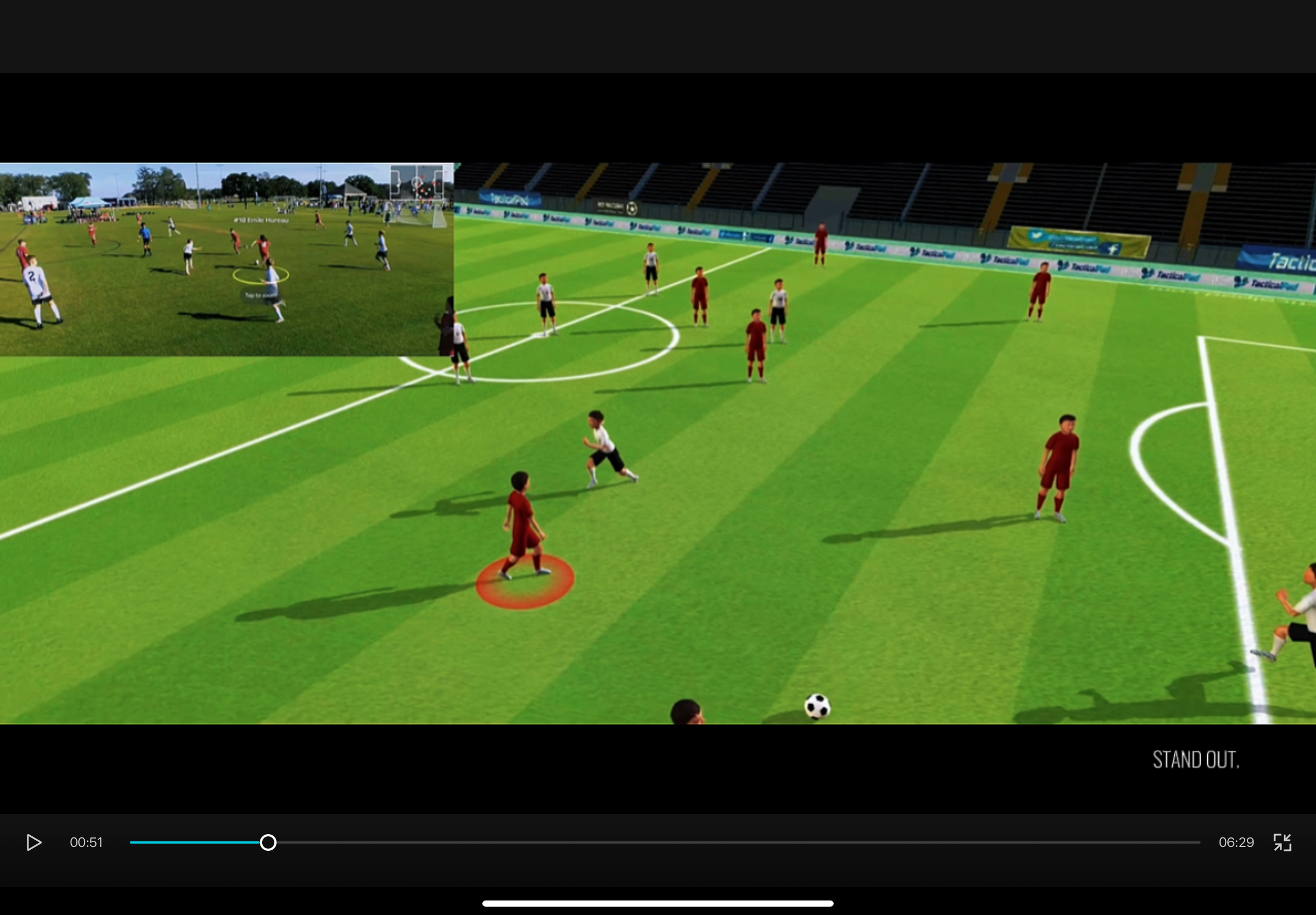
In the attacking half, the most important reference point is the goal.
Facing the goal opens the field. It allows the player to see more passing options and recognize opportunities earlier.
A clearer picture leads to faster decisions.
In the defensive half, the reference point changes.
Instead of the goal, the reference becomes the center circle.
Seeing the center circle usually means the body is open and aligned with the field, allowing the player to see both pressure and options at the same time.
Clear reference points create a clear picture.
And a clear picture increases decision speed.
NEGATIVE BODY =PRESSING TRIGEGR
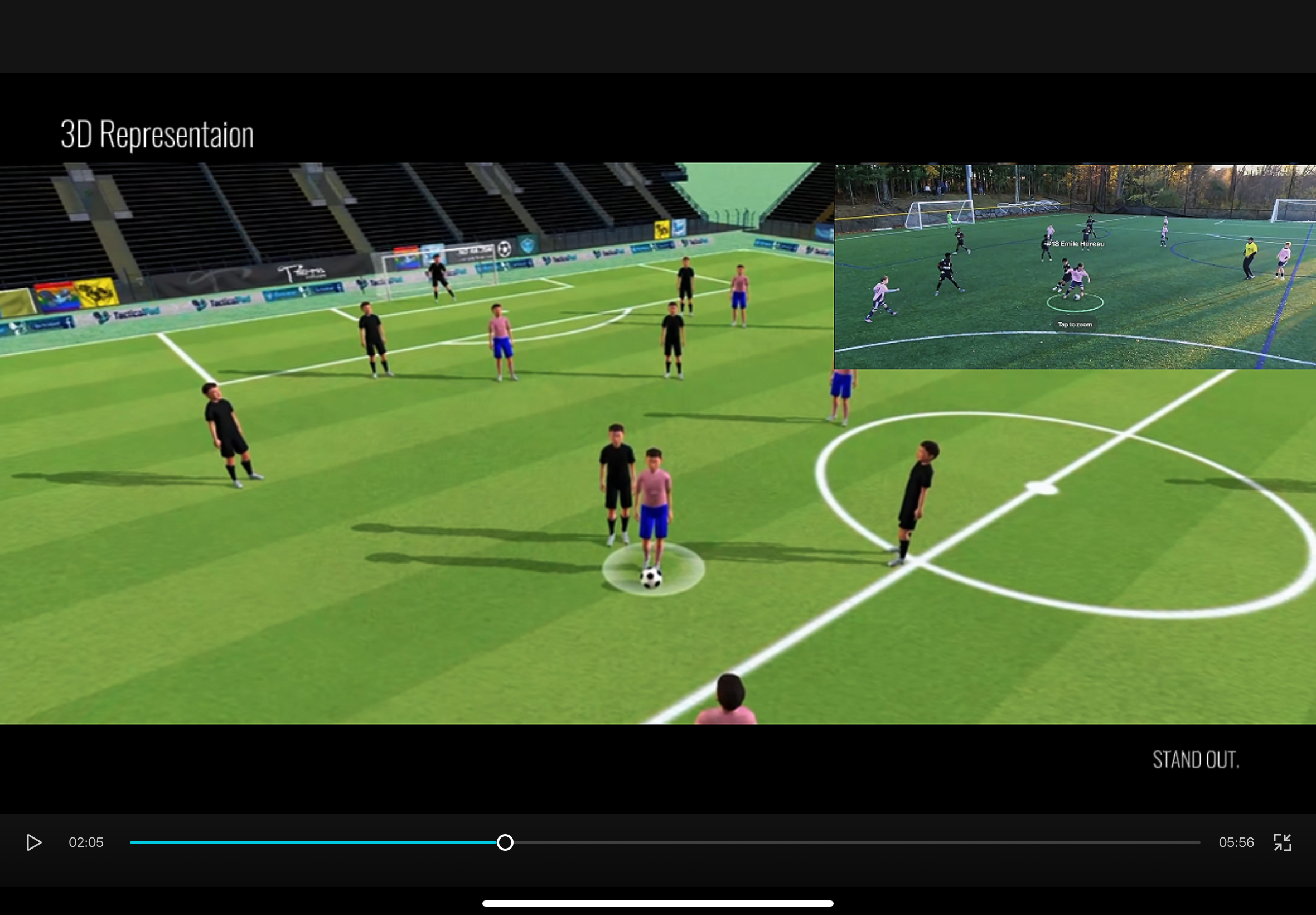
Body orientation does more than speed up decisions.
It also affects how defenders behave.
When a player receives the ball facing their own goal, the picture becomes narrow.
The defender sees limited options.
That signal invites pressure.
Facing the wrong direction becomes a pressing trigger.
It tells defenders the moment is safe to press aggressively.
Forward body orientation creates hesitation.
When the body faces forward and remains centrally aligned, the message changes.
Now the player is a threat.
They can drive forward.
They can pass forward.
They can change direction.
Because of that uncertainty, defenders hesitate.
The reason is simple.
Body orientation changes the risk of pressing.
Body orientation overrides most pressing triggers.
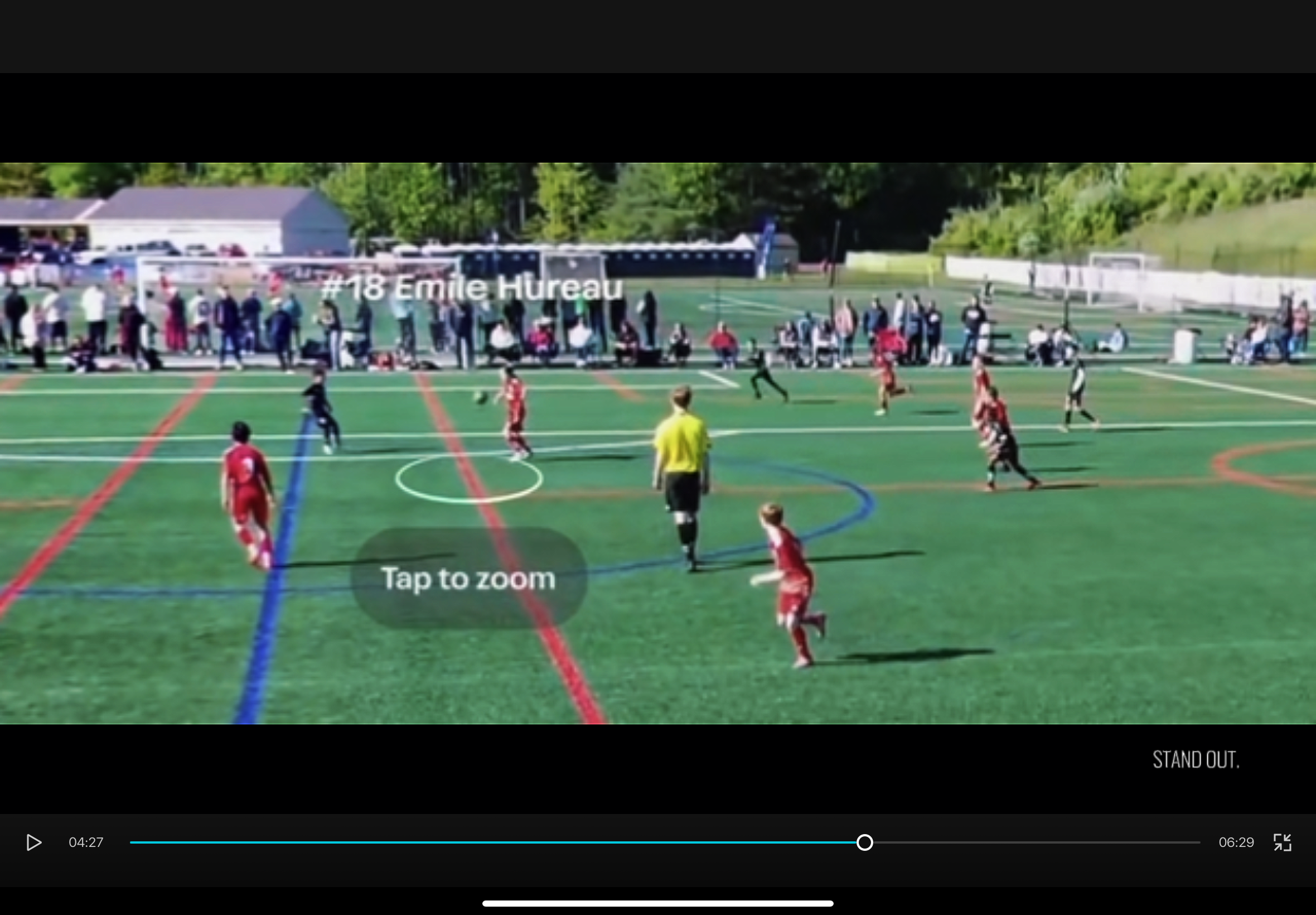
In football there are many pressing triggers.
A bad touch.
A bouncing ball.
A player receiving with limited space.
But body orientation sits above most of them.
A negative body orientation invites pressure.
A forward, central body orientation reduces the confidence defenders have to step aggressively.
It does not remove pressure entirely.
But it changes how quickly and how confidently defenders press.
The sideline changes the situation.
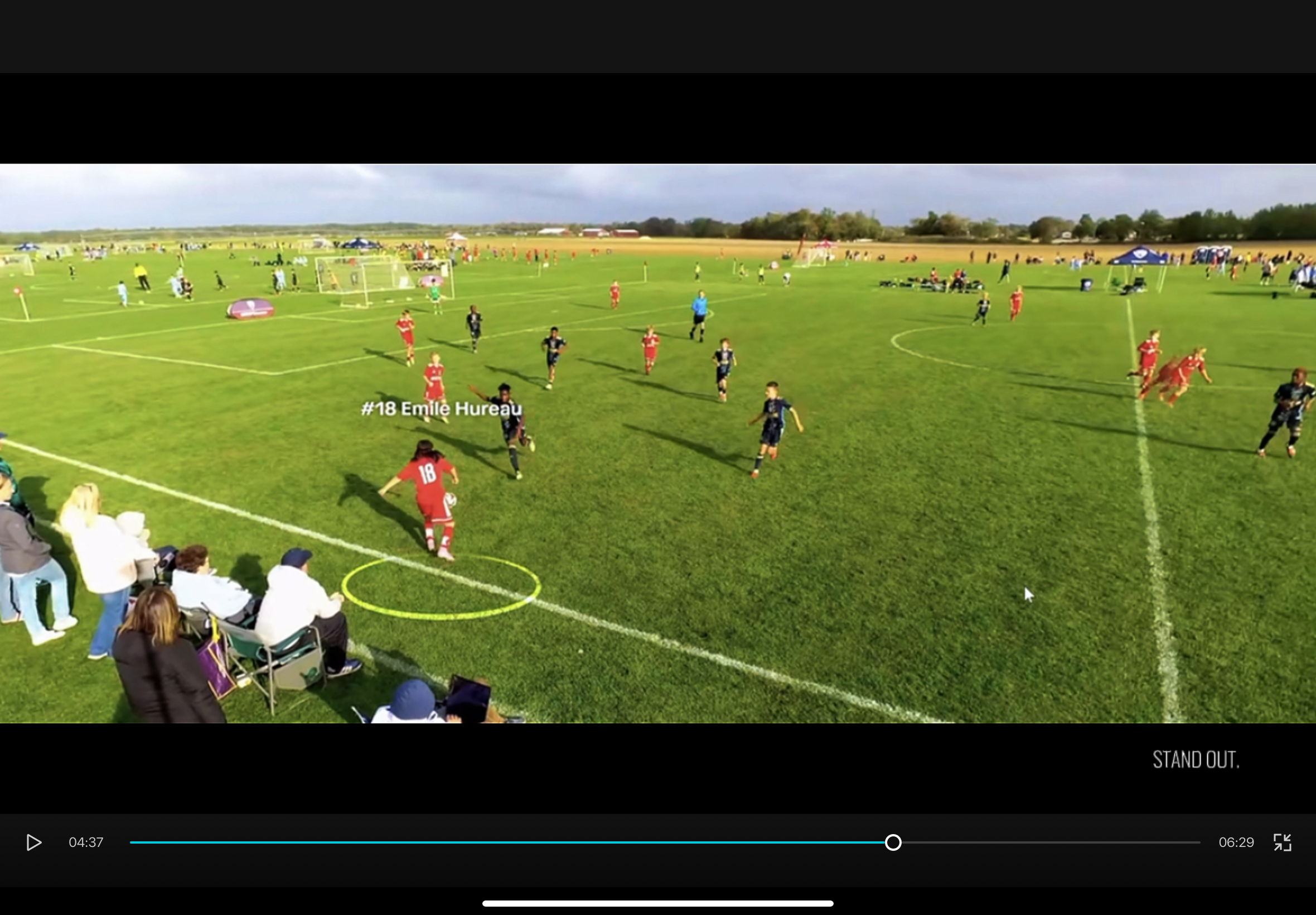
In wide areas, body orientation becomes even more important.
The sideline acts as an additional defender.
When a player faces the line, defenders can trap them because the line removes one direction of escape.
The player is left with fewer options.
And fewer options invite stronger pressure.
Cancel the pressing trigger first.
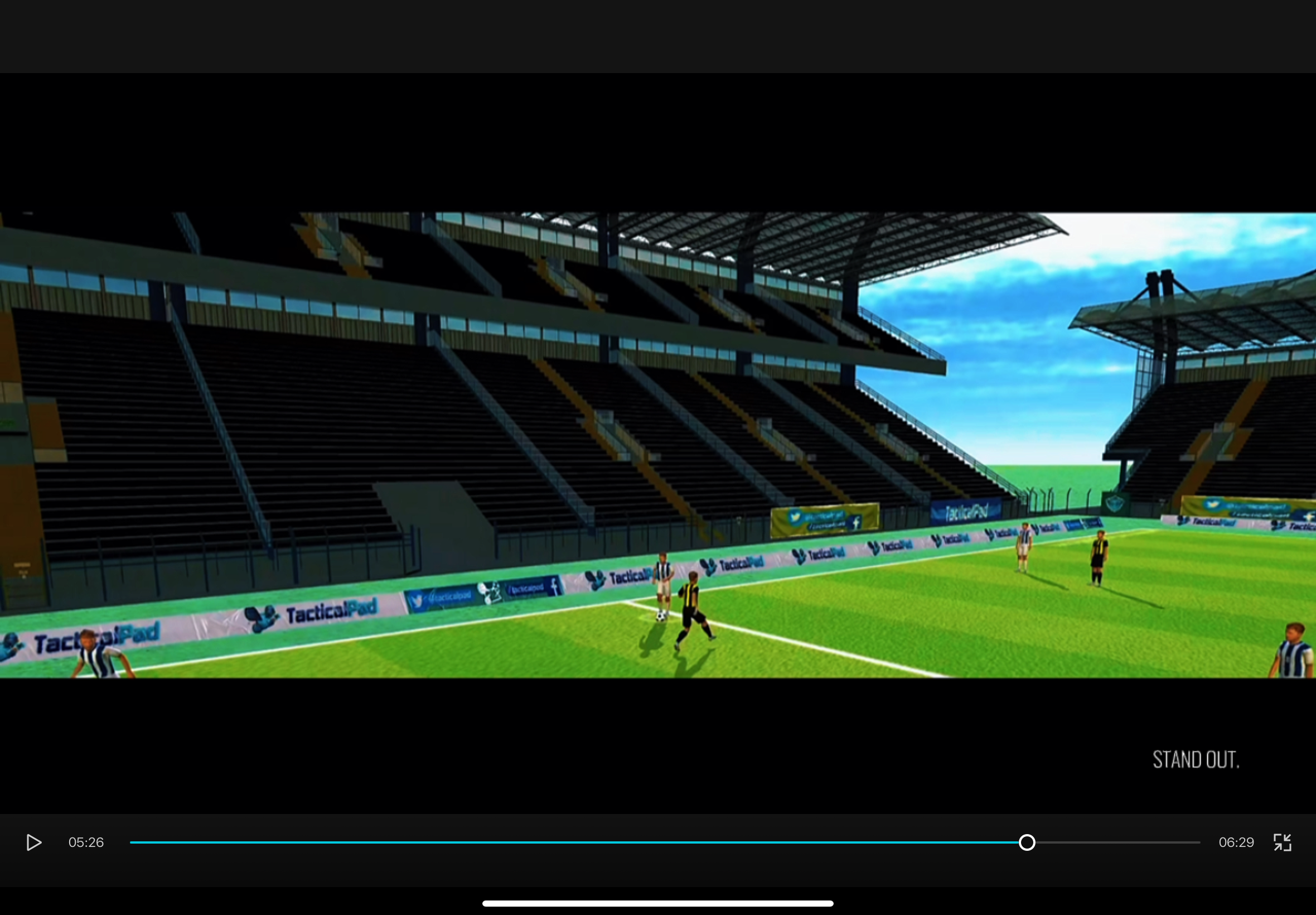
Because of this, the first priority in wide areas is not protecting the ball.
The first priority is removing the pressing trigger.
Facing the field early changes the situation.
It makes the press hesitate.
That hesitation creates time.
And time allows the player to move the ball away from the sideline and reconnect with the center of the field.