NUMBERS.
When the ball travels from wide areas into the center, the most important question is simple.
Where is the open space?
Many players naturally stay on the same side of the field and combine around the ball. That instinct is understandable because combination play feels safer when there are more teammates nearby.
But football does not reward the side with the most players.
Football rewards the side with fewer players.
Understanding this relationship between numbers and space changes how you see the field when you receive the ball from the outside into the center.
Dividing The Field.
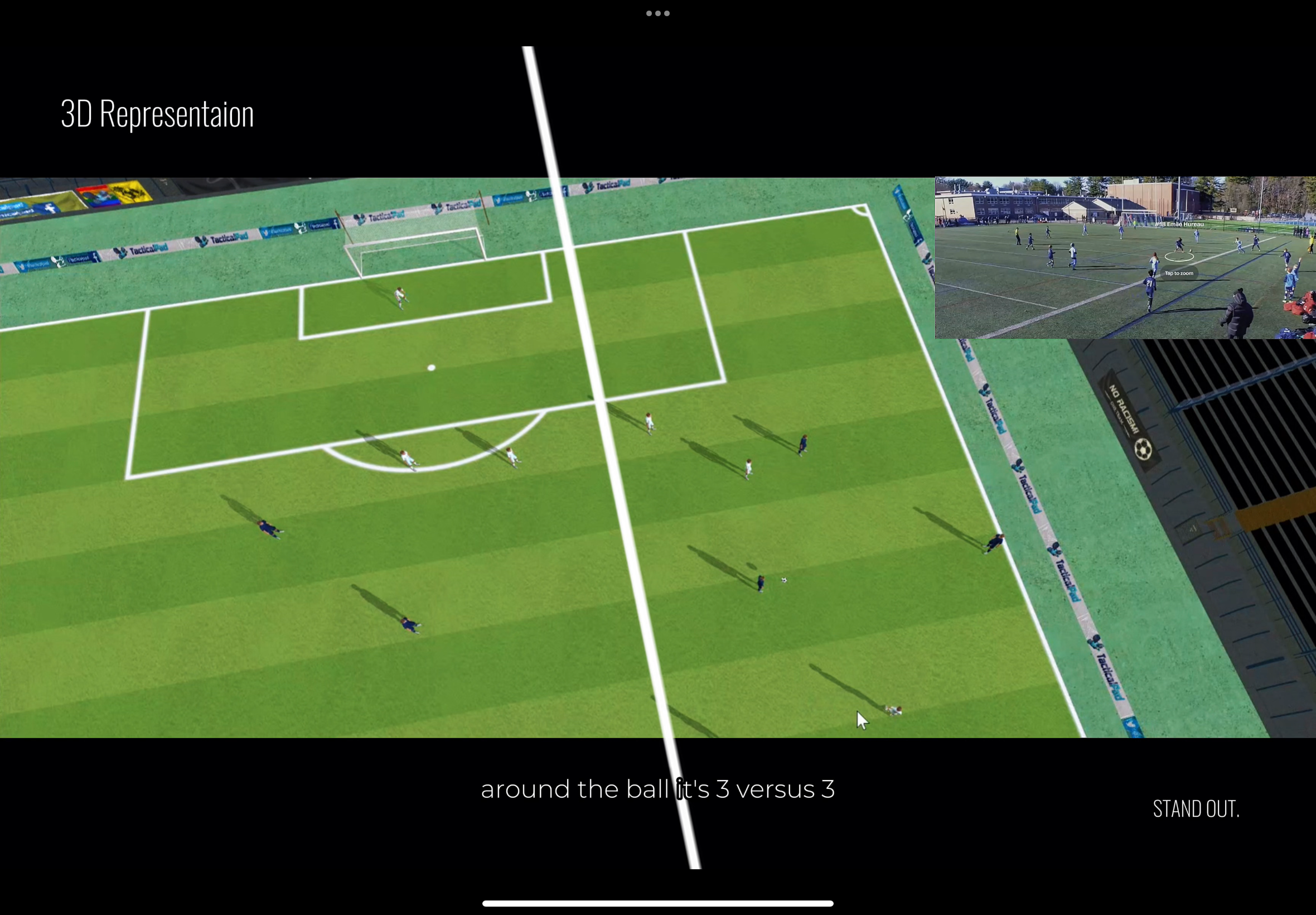
When the ball is played from wide areas into the center, the field naturally divides into two sides.
The ball side, where most players are located.
And the far side, where fewer players remain.
In the clip from the game this weekend, the ball side becomes a 3v3, while the far side becomes a 2v2.
Both situations are numerically even.
But they are not equally favorable for the attack.
NUMERICAL DENSITY.
Watch from 0:26.
The fewer players involved in a situation, the more space each attacker has to work with.
A 2v2 gives attackers more usable space than a 3v3.
And a 1v1 gives attackers even more freedom than a 2v2.
The fewer players in the area, the harder it becomes for defenders to cover space and provide support.
This is why attackers constantly try to create isolations.
Because isolations increase space.
And space increases attacking advantage.
Why Defenses Create The Space.
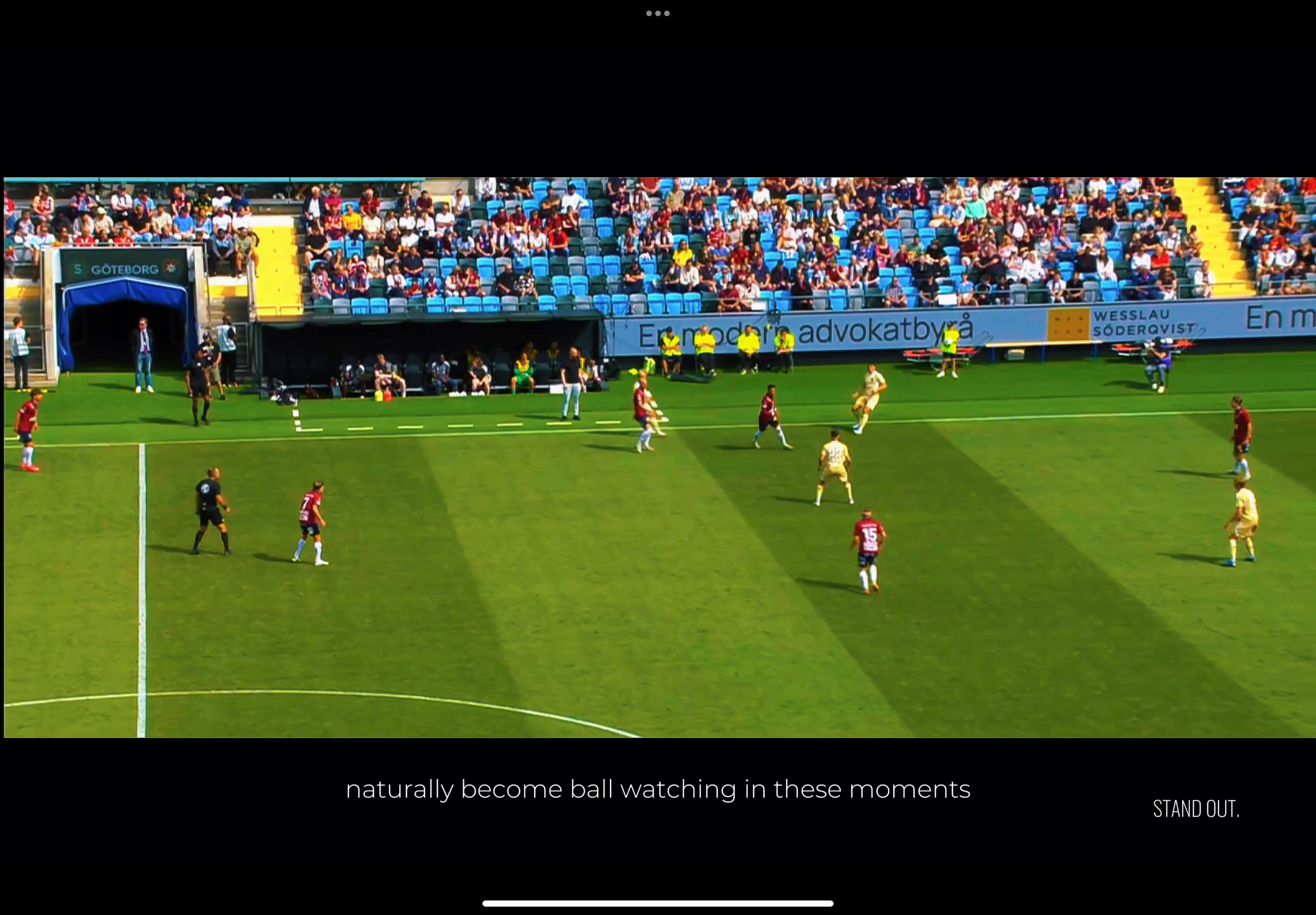
When the ball travels into the center, defenders naturally shift toward it.
Players follow the ball.
As the defensive block shifts toward the ball, the shape becomes narrow.
This behavior is natural at every level of football.
But when the defense narrows toward the ball, something else happens.
Space opens on the far side of the field.
The Far Side Advantage.
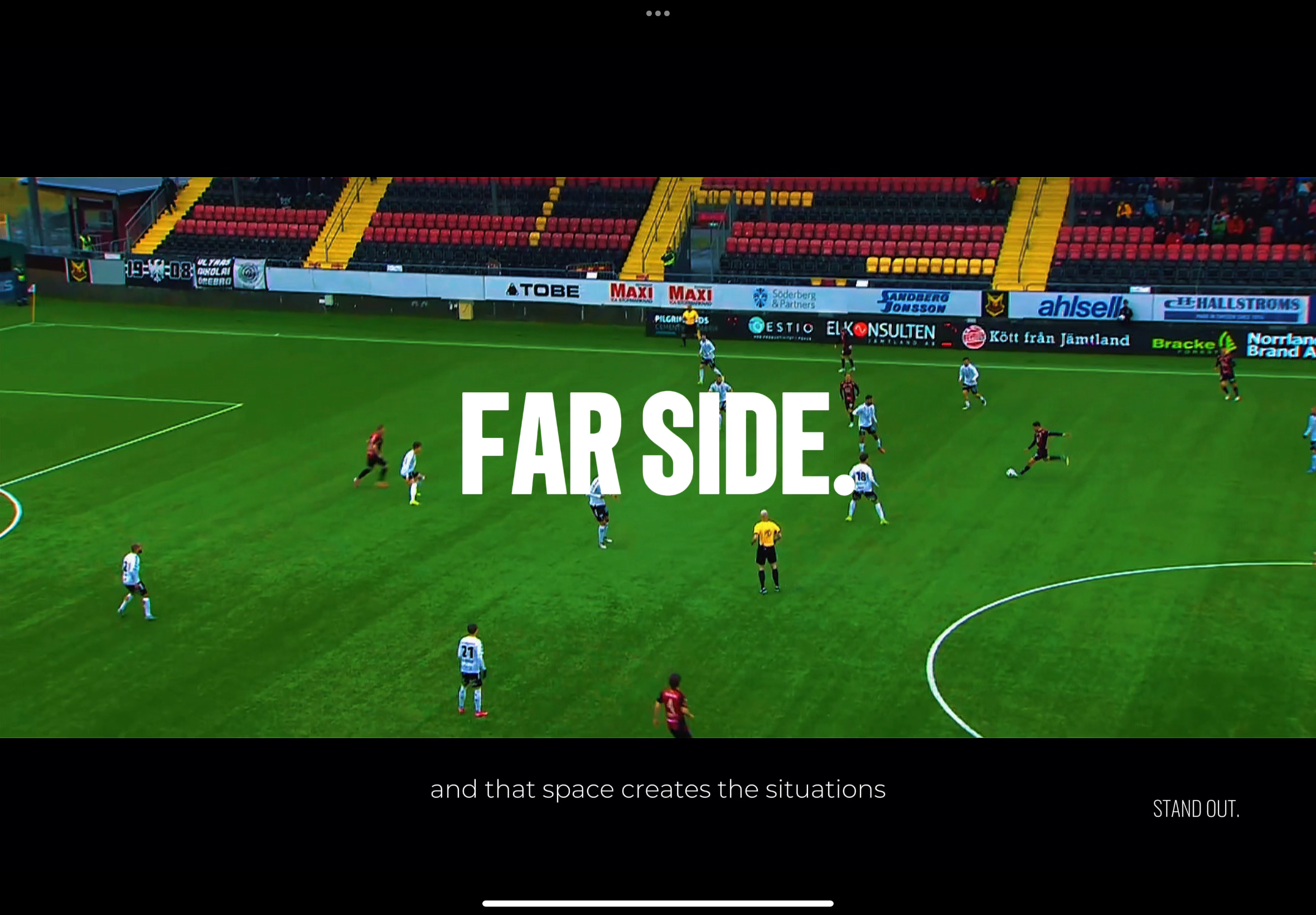
The far side is often where the real attacking advantage exists.
While the ball side becomes crowded with players, the far side becomes isolated.
In this clip, the far side becomes a 1v1.
And an isolated 1v1 favors the attacker more than a crowded situation near the ball.
This is why switching the play becomes such a powerful tool.
It moves the ball from the crowded side of the field to the side where space exists.
Scanning Before You Receive.
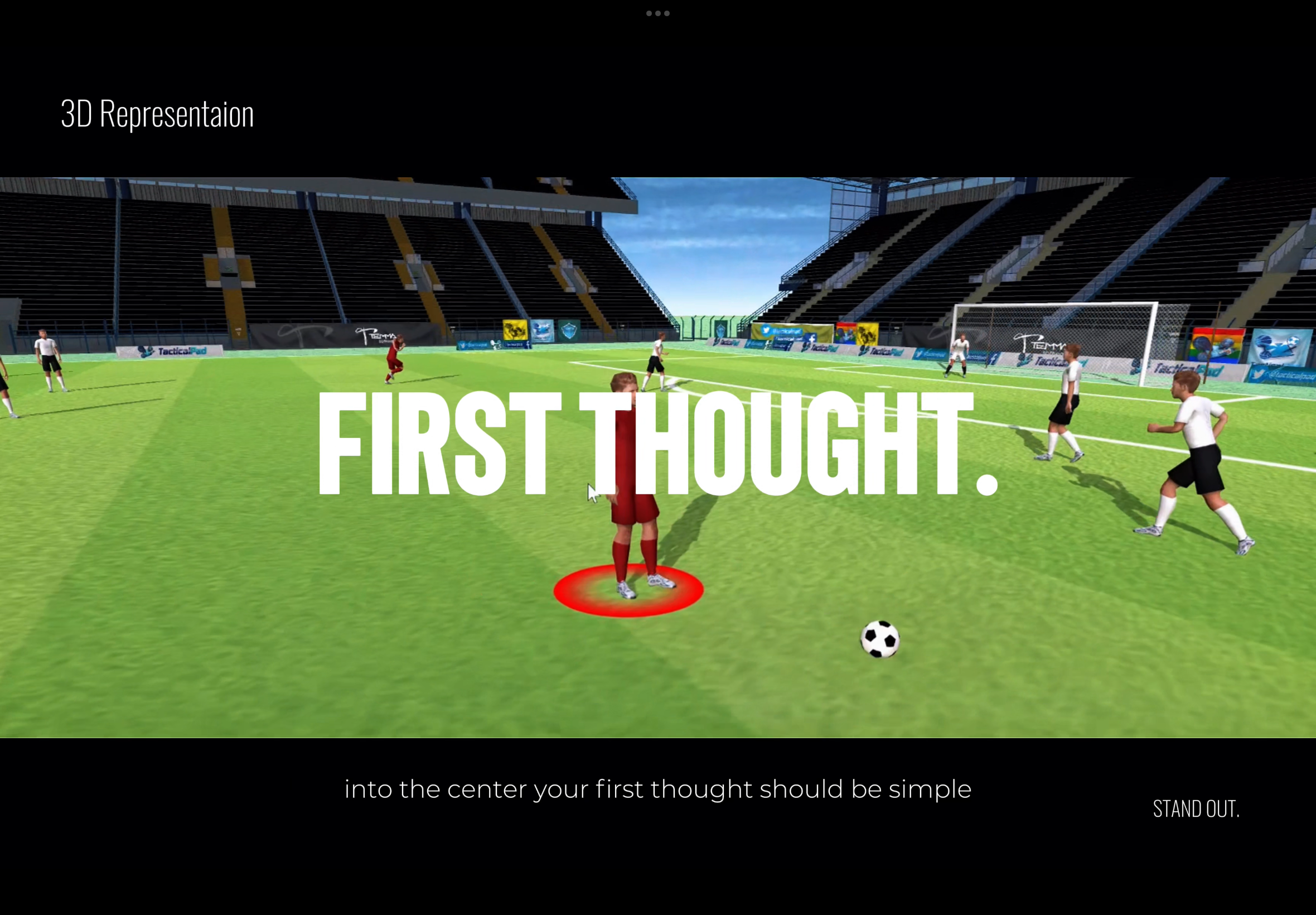
The key moment happens before the ball arrives.
When the ball travels from wide areas into the center, the best players already check the far side of the field.
They scan while the ball is traveling.
Because when the ball arrives, the picture rarely changes.
Defenders are still shifting toward the ball.
The far side is still open.
This is why experienced midfielders can often switch the play immediately.
Sometimes even blindly.
Because they already saw the picture before the ball arrived.
YOU DECIDE.
Sometimes the right move is to stay on the same side.
There is no rule that says you have to switch the ball when it comes from outside to inside.
You just need to scan before you receive so you already know what is there.
Scanning gives you the choice. Then you just pick the right one
Key Principle
When the ball travels from wide areas into the center, do not only look at the players around you.
Look for the side with fewer numbers.
Because in football, fewer players usually means more space.
And more space favors the attack.