THE 3.
In almost every game there will be moments where the ball is played centrally. When that happens, one of the centre backs must step forward to challenge the striker.
The moment you step forward, the back line is no longer four.
It becomes three behind the challenge.
The purpose of the three is simple.
It protects the most dangerous space on the field while the duel happens in front.
When the ball is challenged in the air, the outcome is often unpredictable. The ball can be flicked on, drop behind the duel, or bounce into space. The three exists to collect those second balls and protect the central channel.
Because you cannot defend every space on the field.
So the defensive line prioritizes the most dangerous one.
The central space behind the duel.
Wide space is left open on purpose because it is further from goal and less dangerous.
This rotation happens constantly at the professional level. It is one of the most common patterns in defensive structure.
The only difference between good back lines and great ones is how quickly they recognize the moment to build the three.
The Challenge Breaks the Line.
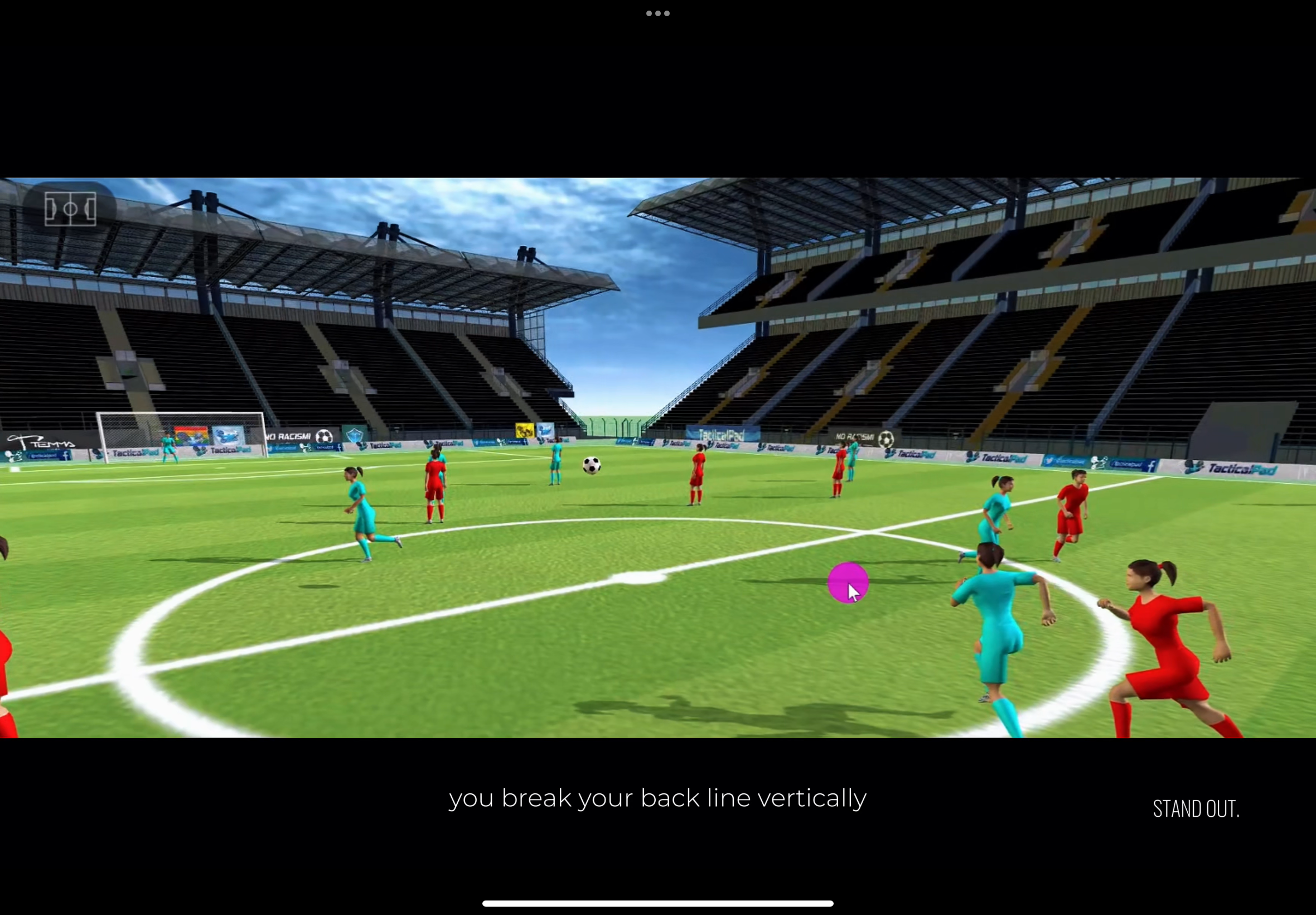
When the ball is played long and centrally, one defender must step forward to challenge.
The moment that defender steps forward, the defensive line is broken vertically.
Now the other three defenders must immediately shift into a covering structure behind the duel.
That structure is the three.
Their job is to protect the space where the ball will land if the duel is lost or flicked on.
Why The Three Protects the Center.
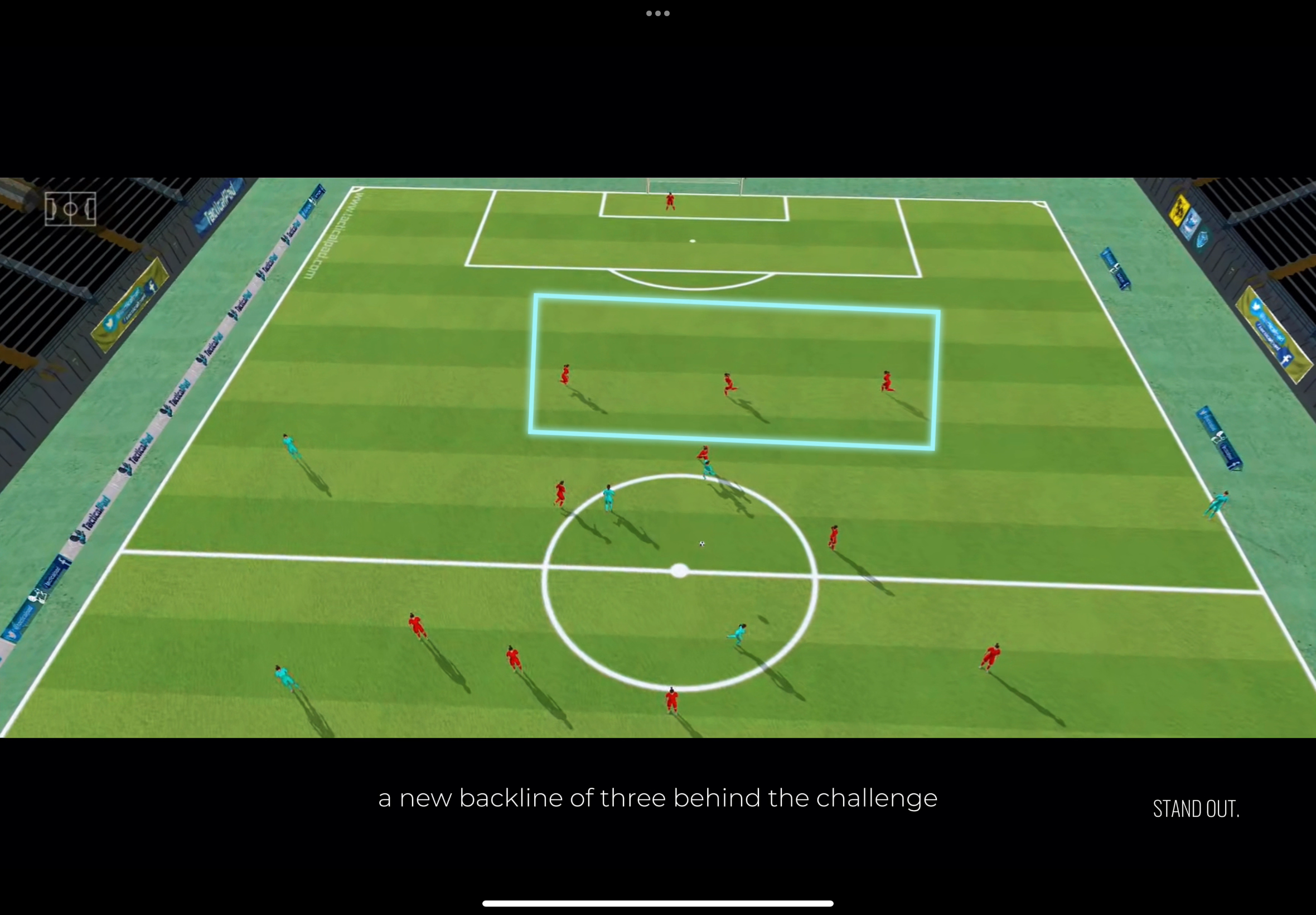
The three does not try to cover the entire field.
Instead, it protects the central corridor behind the challenge.
That is the most dangerous space because it leads directly toward goal.
Wide space is intentionally left open.
It is further away from goal and gives the defense more time to recover.
Defending is always about prioritizing danger, not covering everything.
Recognition Speed
The key difference between defenders is not the idea.
It is recognition speed.
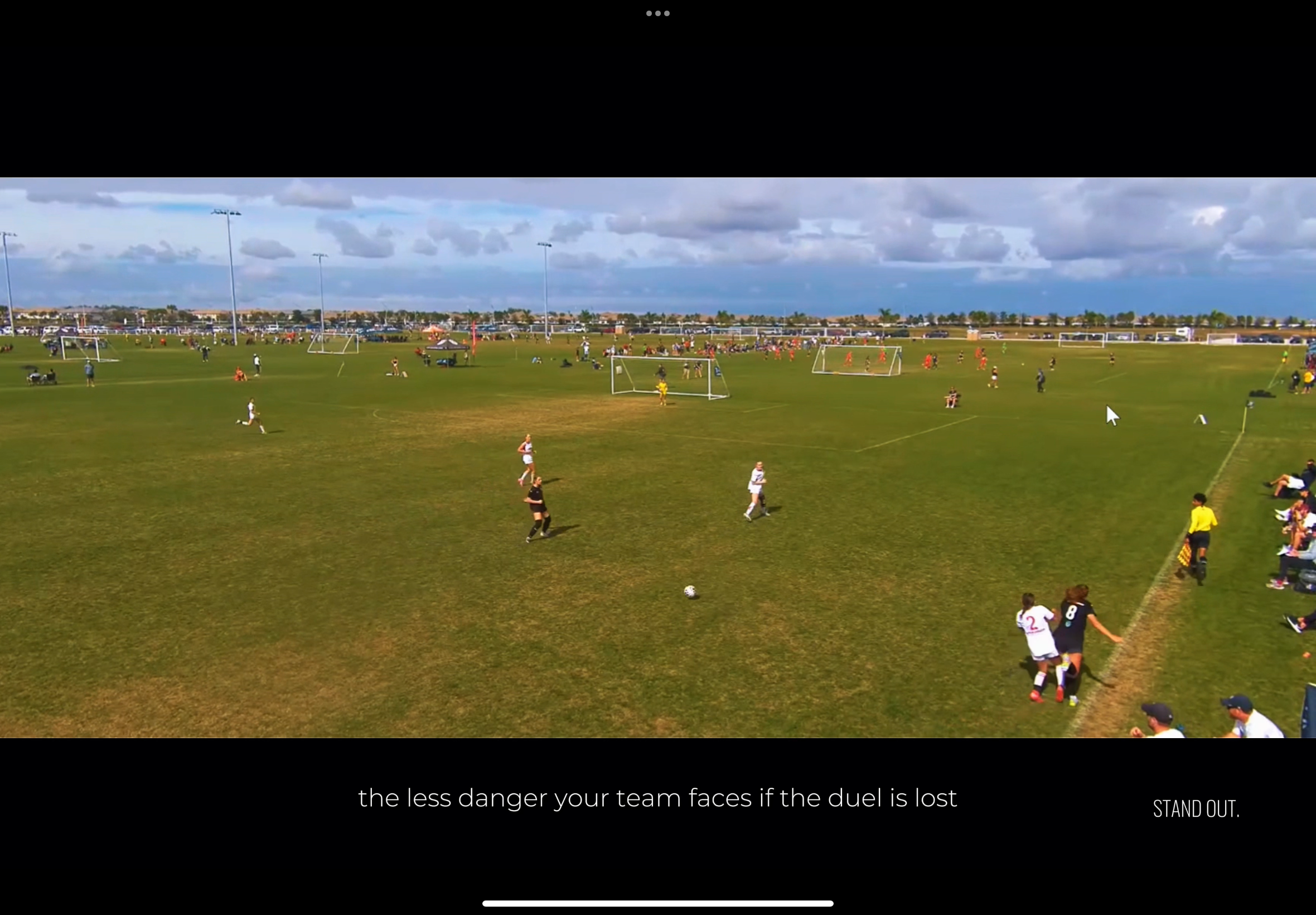
The earlier the challenge is recognized, the earlier the back line can begin forming the three.
And the earlier the three forms, the fewer gaps exist between defenders.
Late reactions create space between players.
Those gaps are exactly what attackers look for when the ball drops from the duel.
Predictable Ball.
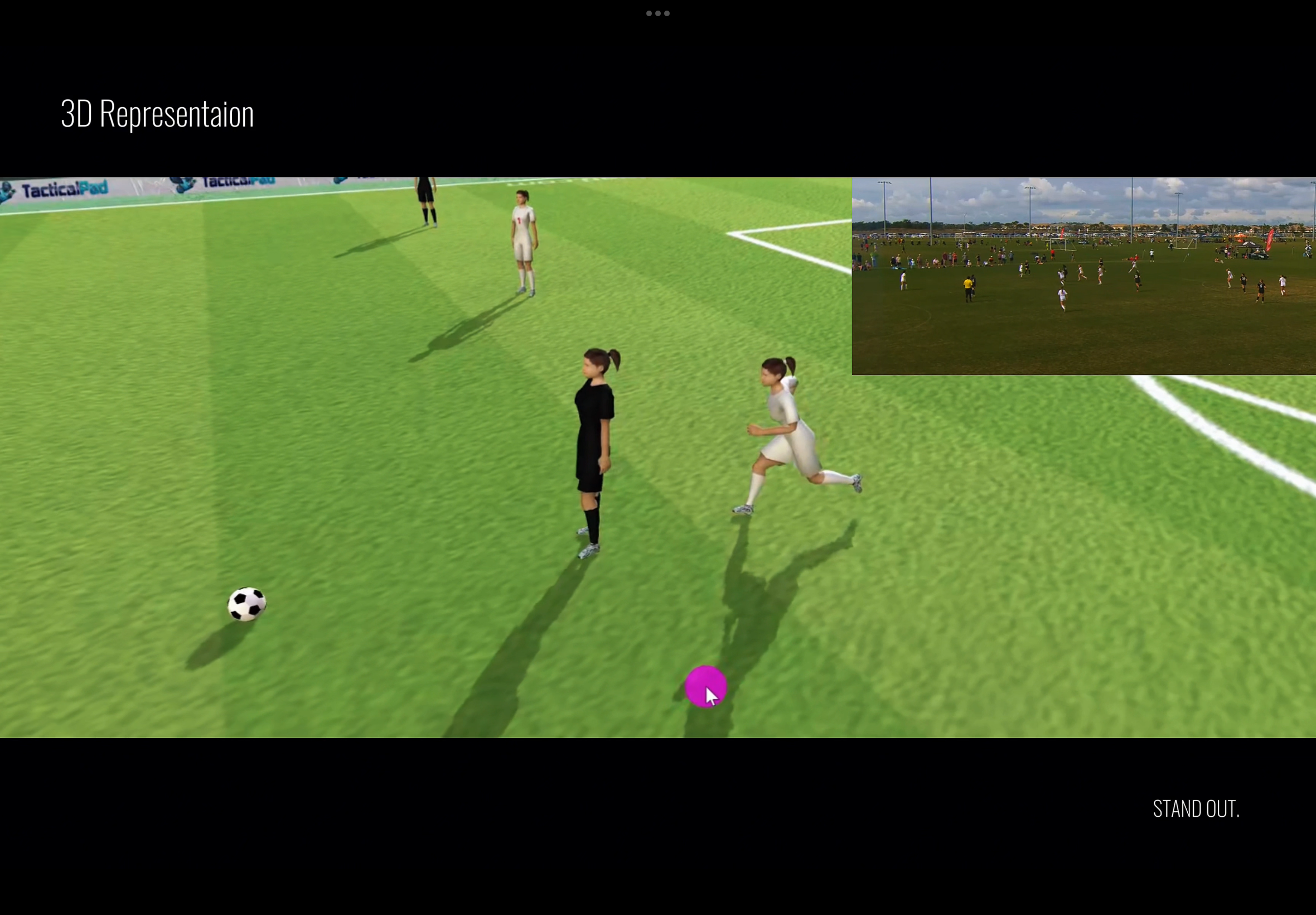
The moment the ball is played , the situation becomes predictable.
The ball destination is clear.
This gives the defender time to act early.
The earlier the defender steps toward the striker, the faster the rest of the back line recognizes the cue and forms the three behind.
Early recognition protects the structure.
Late recognition exposes it.
TURNING RADIUS.
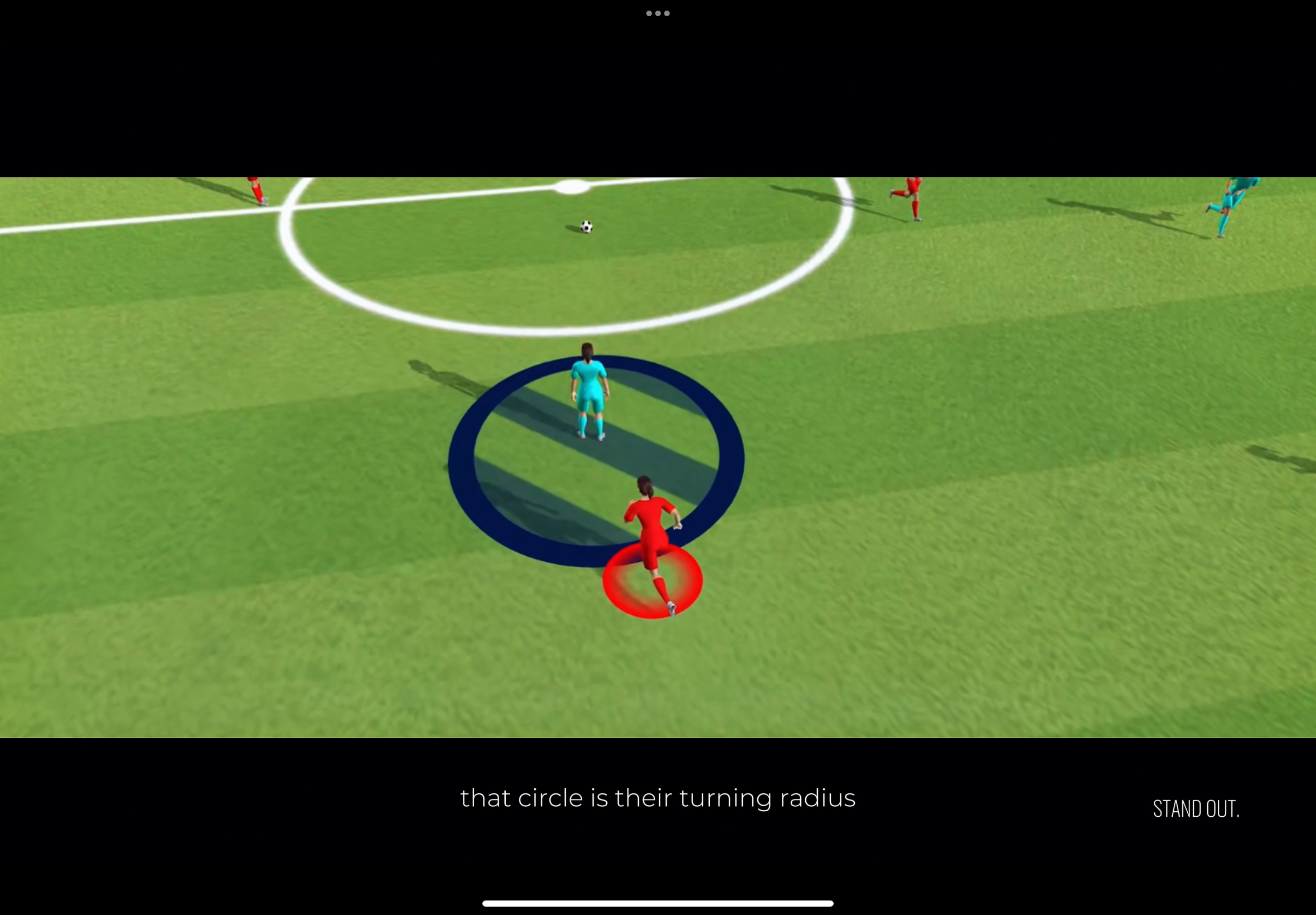
When the attacker receives the ball after the long pass, imagine a circle around them.
This circle represents their turning radius.
The defender’s job is to step inside that circle immediately.
And once inside, stay there.
The more of that radius the defender occupies, the fewer options the attacker has to turn.
Most exits become backwards.
Backward play slows the attack.
And every second the attack slows gives the three more time to organize behind the duel.
Key Principle
The defender who steps forward begins the duel.
But the defenders behind decide whether the team stays secure.
That is the role of the three.
Recognize the challenge early.
Form the structure early.
Protect the central space behind the duel.
That is how defensive lines turn chaotic long balls into controlled situations.